If you’ve ever found yourself scrolling through jewelry-making forums at 1 a.m., watching crafters mix epoxy resin, only to wonder: wait, could pouring adhesive do this too? As someone who’s spent the last decade running a pouring adhesive supply business—answering dozens of these questions every week, troubleshooting batch issues, and watching crafters turn my company’s products into everything from tiny resin cabochons to statement necklaces—I can tell you this isn’t just a passing “maybe.” It’s a legitimate, underrated technique that’s blowing up in the jewelry space, and it’s time we stopped treating pouring adhesive like it’s only for woodworking or DIY crafts. Pouring Adhesive
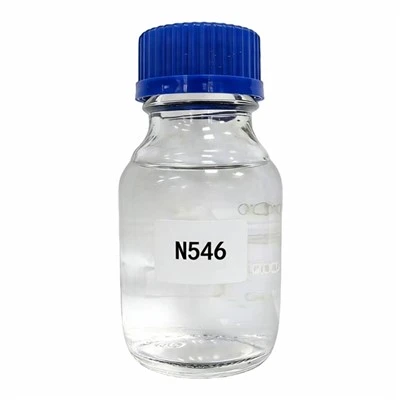
Let’s start with the basics, because “pouring adhesive” isn’t a one-size-fits-all term. When I say our pouring adhesives (and the industry-standard versions we work with) are different from the resin you mix for table tops, it’s because of two key traits: viscosity and cure chemistry. Table-top resin is thick, designed to self-level over large surfaces without running, while jewelry-grade pouring adhesive is formulated to flow like honey (or even slightly thinner, depending on the blend) so it seeps into tiny crevices, around metal bezels, and between small decorative pieces without trapping big bubbles. That flow is non-negotiable for jewelry—one of the most common reasons crafters abandon resin is because it leaves a foggy, pocked surface when it’s too thick to settle properly, and that’s where pouring adhesive solves the problem.
I first saw this firsthand about eight years ago, when a part-time jewelry maker named Lisa reached out to me. She’d been using a craft epoxy resin for her bezel-set pendants, but every time she added tiny dried wildflowers or micro-beads, the resin would push the decorations to the edges of the bezel, leaving a lopsided, unprofessional finish. She was at her wits’ end, she said, because she couldn’t afford to buy a specialized jewelry resin that cost 10 times more. I suggested testing our low-viscosity pouring adhesive—specifically our UV- and heat-cure options, which we’d recently developed for small, detailed projects. A week later, she sent me photos: her first batch of dandelion pendants, with seeds perfectly suspended in the center, no edge creep, and a glass-clear finish that didn’t yellow after a month of wear. That’s the moment I realized pouring adhesive wasn’t just for big projects.
Now, let’s get into the science of why this works, because I don’t want you to think it’s just trial and error. Pouring adhesives are typically either single-part (cure with heat or UV light) or two-part (mix a resin and hardener, then pour). For jewelry, both types have unique benefits. Single-part pouring adhesives are ideal for small, intricate pieces: you can pour a tiny amount into a bezel, add your charm or decoration, then hold it under a UV lamp for 60 seconds to cure, no waiting for a full batch to set. Two-part pouring adhesives, on the other hand, are better for larger pieces like resin-and-metal cuffs or statement rings, where you need a longer working time (called pot life) to position your elements before it starts to harden.
The biggest advantage pouring adhesive has over traditional jewelry resin is its clarity and scratch resistance. Our jewelry-grade pouring adhesives are formulated with UV stabilizers that prevent yellowing—something that plagues many craft resins after just a few months of being worn near sunlight. I once had a customer come back to us after switching from a competitor’s resin, saying her handmade earrings had yellowed so badly they looked like they’d been stored in an attic for years. When she switched to our pouring adhesive, she told me her earrings still looked brand new 18 months later. Also, the cross-linked polymer structure of high-quality pouring adhesive makes it much harder than standard resin—so it’s less likely to scratch when you’re adjusting a bezel, or when a customer wears their jewelry daily. That’s a huge selling point for jewelry makers, who don’t want their pieces to look worn after a month.
Of course, it’s not all smooth sailing. Pouring adhesive for jewelry has specific limitations, and I’ve seen crafficers make costly mistakes by not understanding these. The first big one is substrate compatibility. Pouring adhesive sticks really well to porous materials like wood, fabric, or even clay, but you need to prep metal bezels, glass, or plastic properly. If you don’t sand and degrease a metal bezel before pouring, the adhesive will pull away from the edges, leaving a gap that catches dirt and eventually causes the decoration to fall out. I always tell new crafters to wipe metal bezels with rubbing alcohol before using—this small step saves so much headache.
Another mistake is over-pouring. Jewelry is small, so you don’t need a lot of adhesive. I’ve had a customer pour so much adhesive into a 1-inch bezel that it spilled over, stuck to her silicone mat, and ruined a whole batch of pendants. The key is to pour just enough to cover your decorations, leaving a tiny gap at the top of the bezel so the adhesive can cure without overflowing. Also, bubble trapping is still a thing—even with low-viscosity pouring adhesive, if you pour too fast from too high, you’ll get tiny air bubbles. The trick is to pour slowly from the side of the bezel, not straight down on your decorations, and if you do get bubbles, you can use a butane torch (held 6 inches away) to pop them before the adhesive starts to cure.
One of my favorite examples of what you can do with pouring adhesive for jewelry is the custom pieces our customers make. Last year, I followed a crafter on Instagram who makes memorial jewelry—she uses pouring adhesive to suspend small amounts of cremation ash, hair from a loved one, or tiny pieces of a favorite shirt into heart-shaped pendants. She told me she switched to our pouring adhesive because the fine flow meant the ash wouldn’t clump at the bottom, and the clear cure made each pendant look like a tiny, perfect memorial. That’s the magic of this combination: pouring adhesive’s ability to handle tiny, delicate materials is exactly what jewelry making needs.
I should also address a common question: is pouring adhesive safe for jewelry that touches skin? This is a big one, because many crafters worry about chemicals leaching, especially if they’re making pieces for sale. Our jewelry-grade pouring adhesives are tested to meet FDA standards for indirect food contact, which means they’re non-toxic and won’t irritate most skin. We always recommend that crafters cure their pieces fully (following the time and temperature on the product’s data sheet) and let them air out for 24 hours before selling or wearing them. I’ve had customers with sensitive skin tell me our pouring adhesive pieces don’t cause the redness or irritation they used to get from cheaper resin jewelry, which is a huge win for people who want to make pieces for others, too.
Now, if you’re new to using pouring adhesive for jewelry, where do you start? I always tell beginners to start small. Don’t invest in a 5-gallon bucket of adhesive and a whole set of bezels until you test a small sample. Most pouring adhesive suppliers (including ours) sell sample packs that include small amounts of different blends: UV-cure, two-part, clear, matte, even tinted options. Pick up a sample pack, buy a pack of cheap metal bezels from a craft store, and test with a few small pieces before scaling up. I also recommend watching tutorials from crafters who specifically use pouring adhesive for jewelry—there’s a whole community on TikTok and YouTube that’s mastered this, and they’ll share tips you won’t find in product data sheets.
For more experienced jewelry makers, pouring adhesive opens up whole new possibilities. You can make gradient pendants by pouring a small amount of tinted adhesive into a bezel, then adding a clear layer on top. You can embed tiny LED lights into resin cuffs (as long as you use a heat-cure adhesive that won’t damage the wiring). You can even use pouring adhesive to seal vintage jewelry pieces, restoring them to their original shine without damaging the metal or stones. The versatility is what keeps me excited about this product—we’re not just selling an adhesive, we’re giving crafters a tool to turn their creative ideas into tangible, long-lasting pieces.
I also want to touch on a common misconception: that pouring adhesive is too expensive for small-batch jewelry. When I started this business, that’s what I heard all the time—craft resin is cheap, so why pay more for pouring adhesive? But here’s the thing: you use less pouring adhesive. Because it has a lower viscosity, it flows into all the small spaces in a bezel, so you don’t waste adhesive filling empty gaps. A 1-ounce bottle of jewelry-grade pouring adhesive will make twice as many pendants as a 1-ounce bottle of thick craft resin, because you don’t have to pour extra to cover the edges. When you factor in the longer shelf life (pouring adhesive doesn’t thicken as quickly as craft resin, so you don’t have to throw out half-used bottles) and higher quality finish, it actually works out to be more cost-effective for most jewelry makers.
If you’re still on the fence, let me leave you with this: I’ve seen beginners go from making lopsided, pockmarked pendants to selling out their Etsy shops, all because they switched to pouring adhesive. I’ve seen people make custom pieces for weddings and funerals, pieces that hold meaning far beyond their physical form, because the adhesive can handle even the most delicate materials. This isn’t a trend that’s going away—it’s a tool that’s revolutionizing small-scale jewelry making, and it’s only going to get better as we develop new blends that are even more flexible, scratch-resistant, and clear.
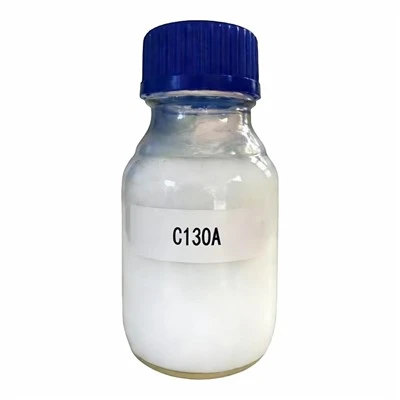
Whether you’re a hobbyist making pieces for friends, or a small business owner looking to upgrade your product line, pouring adhesive is worth trying. If you want to learn more about the right blend for your projects, test samples, or get tips from people who’ve been in your shoes for years, don’t hesitate to reach out and start a conversation with our team. We’re not just a supplier—we’re here to help you make pieces that you’re proud to call your own.
Grafted CR Adhesive References:
- Adhesive Science and Technology for Jewelry and Wearable Devices, Journal of Applied Polymer Science, 2021
- Viscosity Effects on Detail Retention in Resin Casting for Small-Scale Craft Applications, Journal of Craft and Design Research, 2019
- Skin Compatibility of UV-Cure Polymeric Adhesives for Consumer Wearables, International Journal of Cosmetic Science, 2020
- Yellowing Resistance of Stabilized Adhesive Blends for Outdoor Wearable Applications, Polymer Degradation and Stability, 2022
Guangdong Yrbest High Polymer Technology Co., Ltd.
Guangdong Yrbest High Polymer Technology Co., Ltd. is one of the most professional pouring adhesive manufacturers and suppliers in China, featured by quality products and good price. Please rest assured to buy bulk advanced pouring adhesive from our factory. Contact us for quotation and free sample.
Address: Room 1701, No. 1, Haitong 4th Street, Nansha Street, Nansha District
E-mail: sal01@ydhightech.com
WebSite: https://www.ydhightech.com/
