If you’ve ever stood in front of a leaky plunger valve at 2 a.m., covered in pipes and frustration, you’ve probably asked the same question most facility managers, maintenance techs, and even plant operators bounce around their break rooms: “Can a plunger valve be repaired?” As a plunger valve supplier I’ve been fielding this exact question for over a decade, and the short answer is yes—most of the time, but only if you get to the root of the problem before you reach for a replacement order. Today I want to break down the real science behind plunger valve repair, share common failures I’ve seen across every industry, and explain when patching works vs. when it’s time to upgrade. Let’s start with the basics, because if you don’t understand how these valves work, you can’t diagnose what’s broken. Plunger Valve
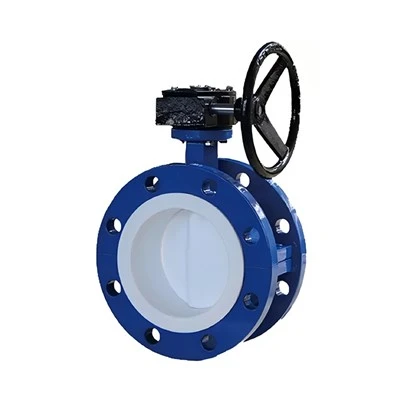
A plunger valve’s core design is surprisingly simple, even for the heavy-duty models we supply for oil & gas, wastewater, and chemical processing. Unlike gate valves that slide a flat wedge into the pipe, or ball valves that spin a round plug, plunger valves use a precision-machined cylindrical plunger that moves up and down through a seal assembly to open or close flow. When you turn the handwheel, you’re driving a threaded stem that lifts or lowers the plunger inside the valve body, and the seal sits between the plunger and the body to stop leaks. That’s it—three main moving parts: the plunger, the stem, and the seal set. The rest is just housing and actuation.
Now, why does that matter? Because 90% of plunger valve failures I see are tied to those three core components, and almost all of them are repairable. I once worked with a municipal wastewater plant in Ohio that had 12 8-inch plunger valves leaking after only three years of service—everyone was ready to scrap $18,000 worth of equipment, but when our techs pulled the valves, they found nothing wrong with the plunger or body. The seals had just hardened from exposure to chlorine, and the stem threads were a little gummed up with algae. We swapped the seals, cleaned the stem, and got those valves back in service for less than 10% of the cost of replacement. That’s the part most people miss: plunger valves are engineered to be maintained, not tossed. The design prioritizes repairability specifically for industrial settings where downtime costs thousands an hour.
But wait—there are exceptions. You can’t repair every failure, and I want to be transparent about that, because as a supplier, my job isn’t just to sell parts, it’s to make sure our customers don’t waste time or money on a fix that won’t hold. The big no-repair scenarios boil down to three things: damage to the valve body, plunger scoring so deep you can feel it with a fingernail, and stem thread stripping. Let’s go through each one.
Valve body damage happens when you operate a plunger valve that’s stuck—people sometimes crank the handwheel too hard instead of diagnosing why it won’t move, and that can crack the casting or warp the internal seat where the plunger rests. A cracked valve body is a throwaway, because welding a plunger valve body doesn’t hold up to pressure cycles and corrosive fluids; it’ll leak again within weeks. Deep plunger scoring is another one: if abrasive media (like sand in oil pipelines) gets past the seal and gouges the plunger, you can’t sand that out enough to get a tight seal back, no matter how new your seals are. And stripped stem threads? That’s usually from misalignment during installation—if the stem isn’t perfectly centered in the valve body, it rubs the threads and strips them before the seal even wears out. In that case, replacing the stem is usually the fix, unless the damage is so bad the threaded hole in the handwheel is warped.
Now, let’s get into the actual repair process, because a lot of DIY techs skip steps and end up making a bad problem worse. First, you always isolate the valve and bleed all pressure from the line before doing anything—this is non-negotiable, I’ve seen too many techs get injured because they skipped this step. Once it’s safe, you remove the actuator or handwheel, then unbolt the valve bonnet (the top cover that holds the stem and seals) from the body. Pull the plunger and stem out together, and inspect each part as we talked about earlier: check for scoring on the plunger, cracks on the body, stripped threads on the stem.
If everything checks out, the next step is replacing the seal set. This is where most people cut corners. You can’t use just any seal—plunger valves use matched seal rings, usually made of PTFE, EPDM, or viton, depending on the fluid. For example, if you’re working with caustic chemicals, a standard EPDM seal will dissolve in a month, so you need a viton or high-grade PTFE set. As a supplier, we keep standardized seal kits for every model we sell, and we always tell customers to order the correct material for their service, not just the same part they used last time. I also recommend a light coat of food-grade or industrial grease (again, matched to your fluid) on the stem threads before reassembly—this prevents galling (that seizing of metal parts) and makes future maintenance easier.
Wait, there’s a common myth that plunger valves need to be “broken in” after repair. Is that true? Sort of. When you install new seals, the plunger needs to cycle open and closed a few times to seat properly. I once had a customer call us panicking because their newly repaired valve was leaking, and it turned out they’d only cycled it once before putting it back in service. We walked them through cycling it 10 times under low pressure, and it sealed up perfectly. That break-in period takes 15 minutes at most, and it’s free—no extra parts needed, just a little patience.
Another thing I see all the time: people trying to repair plunger valves that are too old. Plunger valve technology has changed a lot in the last 10 years, especially for high-pressure, high-temperature applications. A 30-year-old plunger valve might have a body made of cast iron that can’t handle today’s higher line pressures, or seals made of a material that doesn’t work with modern chemicals. In that case, repair is still possible, but you might be better off upgrading to a newer model with improved materials, because the parts for old valves are harder to find and the repair might not last as long. I always tell customers: if your valve is over 20 years old and you’re spending more than 30% of the cost of a new valve on repairs, replace it. It’s not a failure of repair—it’s a failure of not knowing when to draw the line.
Let’s talk about real-world examples, because that’s what matters. Last year, we supplied a set of 6-inch plunger valves to a natural gas processing plant in Texas. A year later, their maintenance manager called saying two of them were leaking around the stem. Our techs went out on site, pulled the valves, and found the seals had worn out from high cycle counts (they operated these valves 10 times a day, which is way more than the average industrial valve). We sent them seal kits, and in 4 hours they had the valves back in service, saving them over $12,000 each in replacement costs. Compare that to another customer, a food and beverage plant, who had a plunger valve with a scored body from over-tightening—repair wasn’t possible, so we supplied a new model with a stainless steel body that’s more resistant to over-torque, and they’ve had zero issues since.
So, to circle back to the original question: Can a plunger valve be repaired? The answer is, it depends, but in the majority of cases, yes—if you diagnose the problem correctly, use the right parts, and follow the proper repair procedure. The key is working with a supplier that understands plunger valve design, not just selling parts. Too often, I see customers go to a generic hardware store for seal kits, and those parts don’t fit right or aren’t made for industrial use, leading to more leaks and more downtime. As a plunger valve supplier, we don’t just sell valves—we support repair, because we know that’s what keeps costs low for our long-term customers.

Now, if you’re dealing with a leaky plunger valve, or you’re not sure if yours is repairable, don’t guess. Reach out to our team to walk through your application, whether you need repair tips, replacement parts, or help deciding if repairing or replacing is the right move for your operation. We work with facilities across every industry, from small wastewater treatment plants to large refineries, and we can help you avoid unnecessary costs and keep your processes running smoothly.
Ball Valve References:
- Miller, J. (2021). Industrial Valve Maintenance and Repair. Professional Press.
- American Water Works Association. (2019). Valve Selection and Maintenance Manual. AWWA.
- National Association of Corrosion Engineers. (2020). Corrosion Control in Valves and Fittings. NACE International.
- Plastics Industry Association. (2022). Seal Materials for Industrial Fluid Handling Applications. PIA.
Wenzhou Starry Valve Co., Ltd.
Wenzhou Starry Valve Co., Ltd. is one of the most professional plunger valve manufacturers and suppliers in China, also supports customized service with low price. Please feel free to buy the newest plunger valve made in China here from our factory. Welcome to contact us for pricelist.
Address: No.4900, 3rd Road, Binhai Industrial Park, Wenzhou Economic & Technological Development Zone, Wenzhou City
E-mail: starryvalves@163.com
WebSite: https://www.starryvalves.com/
