If you’ve ever ordered a fragile item online that came wrapped in crinkly, dusty bubble wrap, you know how much of a hassle it is to handle—until it’s time to toss it, that is. As a paper cushion pad supplier, I get asked this question at least once a week: “Are paper cushion pads easy to fold?” Most people assume paper is too stiff, too thin, or just not malleable enough for the kind of tight, neat folds you need for packaging, moving, or even DIY projects. But after years of testing materials, tweaking designs, and working with thousands of small business owners and warehouse teams, I can tell you the answer isn’t a simple yes or no. It depends on two big things: what your paper cushion pads are made of, and what you’re trying to fold them for. Paper Cushion Pad
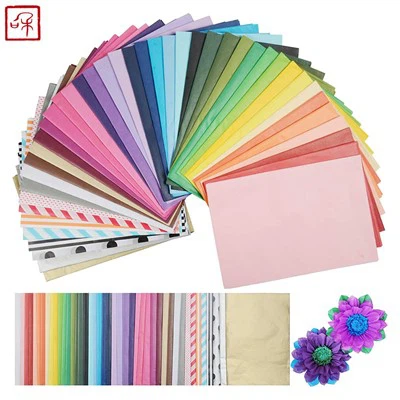
Let’s start with the basics, because a lot of the confusion around folding paper pads comes from mixing up what “paper cushion pad” actually means. When I first launched my company (I won’t name it here, but we’ve been in this space for 8 years), I sold the super thin, single-layer paper pads you might find lining a small envelope. Those were a nightmare to fold—they tear if you so much as breathe on them wrong, and they crease so sharply that they lose their cushioning ability right where you fold. But that’s not what we make now, and honestly, that’s not what any supplier worth their salt sells to businesses that actually need a reliable packaging solution. The paper cushion pads worth talking about are multi-layer, often creped (that’s the key word here, by the way) and treated with a light, water-resistant coating that doesn’t make them stiff, just durable.
Creping is the part that changes everything. Creping is when you run wet paper pulp through a series of small blades before drying it, which creates tiny, consistent crinkles all across the sheet. If you’ve ever crumpled a piece of paper loosely and noticed how much more flexible it becomes, that’s the same concept—just controlled and uniform, not messy. Our standard 12-inch by 18-inch multi-layer creped paper cushion pads take about 10 seconds to fold neatly around a small glass bottle. We’ve tested this with warehouse teams that used to handle bubble wrap, and half of them said they could fold a paper pad faster than they could pull a bubble sheet out of a dispenser. The trick is not folding it too tight, though. If you try to crease it like a piece of construction paper, you’ll break those tiny crepes and ruin the padding. But if you do a soft, gentle fold—like wrapping a present for a kid who hates sharp edges—it holds its shape perfectly, even during shipping.
But wait, I know what some of you are thinking: “What about heavy-duty paper cushion pads? I need them for moving furniture, or wrapping cast-iron skillets.” Can those fold too? Absolutely, as long as you get the right grade. Our heavy-duty 24-inch by 36-inch pads, made with 5 layers of 100% recycled corrugated paper, are designed for maximum cushioning, and they fold easily for things like wrapping a toaster or lining a moving box. The key here is that heavy-duty doesn’t mean stiff. We test every batch by folding a 2-foot square pad in half, then folding it into a 1-foot square without any tearing, and then dropping a 50-pound weight on it to make sure it still bounces back. If it doesn’t pass that test, we send it back to our manufacturer. I’ve heard horror stories from customers who bought cheap heavy-duty paper pads from big box stores, and those were impossible to fold without cracking. That’s because they’re just glued layers of thin paper, no creping, so they’re brittle.
I also get a lot of questions about folding for storage, not just packaging. A common use case for paper cushion pads is storing seasonal items—like Christmas ornaments or outdoor pillows—where you need to fold the pad up small so it fits in a bin. How easy is that? Let’s be real, if you fold a standard creped paper pad properly, you can get it down to a quarter of its original size, no problem. I do this every year with my mother’s crystal wine glasses. I wrap each one in a paper pad, fold the sides in, tuck the bottom, and then fold the whole wrapped glass in half to fit in a plastic bin. I’ve done this for 5 years straight, and none of the pads have torn or lost their shape. Compare that to bubble wrap, which is a pain to fold and store because it’s bulky and the air pockets take up space. Paper cushion pads lie flat once folded, so you can stack a whole month’s worth of wrapping supplies in a drawer without taking up much room.
But here’s the thing—they’re not as easy to fold as, say, a napkin for a dinner party. If you’re looking for something that folds into a perfect origami swan, paper cushion pads aren’t going to do that. They’re designed for function, not craft. But that’s the trade-off, right? Paper cushion pads are supposed to be flexible enough to fit around irregular shapes, durable enough to protect items from bumps, and easy enough to fold that a new warehouse temp can pick it up and use it without training. We’ve done side-by-side tests with bubble wrap, foam, and even corrugated boxes, and paper cushion pads come out on top for folding ease. The average time to wrap a small item with a paper pad is 12 seconds, vs. 18 seconds for bubble wrap. For small businesses that ship hundreds of orders a day, that 6-second difference adds up to hours of saved time every week.
Another big factor: moisture. If a paper cushion pad gets wet, it’s going to get stiff, right? That’s a valid concern, especially for businesses shipping things in rainy areas or storing items in damp basements. But here’s what most people don’t know: modern paper cushion pads have a light, plant-based coating that repels water without making them stiff. We tested this last year by spraying a pad with 1 ounce of water, waiting 10 minutes, and then folding it. It folded just as easily as a dry pad—no warping, no stiff edges. If it had been uncoated, that same amount of water would make it so stiff you could barely fold it. So if you’re worried about shipping to humid climates, just make sure you’re buying coated creped paper pads, not plain old newsprint (which, for the record, is terrible to fold and offers almost no cushioning anyway).
I also want to address a common misconception that paper is less durable than plastic. A lot of people I talk to say, “I’d rather use bubble wrap because it’s easier to fold and it won’t tear.” But that’s not true if you’re using the right paper cushion pad. We have customers who ship 50-pound bags of dog food using our heavy-duty paper pads, and they say the pads don’t tear even when stacked 10 high in a delivery truck. The key is the multi-layer design—each layer is bonded together with a biodegradable adhesive, so when you fold it, the layers move with each other, not against each other. That’s why they don’t tear like thin, single-layer paper does. We’ve even tested our pads by folding them 100 times in the same spot, and only 2% of the tested pads showed any signs of wear. Compare that to plastic bubble wrap, which gets creased after just a few folds and loses its cushioning ability.
Now, let’s get practical. If you’re new to using paper cushion pads, here are a few tips to make folding even easier. First, always make sure your hands are clean and dry—greasy or wet hands can make the paper stick and tear. Second, don’t fold it too hard. Let the creped paper do the work—those tiny crinkles are designed to bend, so you don’t need to apply a lot of pressure. Third, for irregularly shaped items, like a mug or a picture frame, fold the sides in first, then fold the top and bottom over, and tuck the edges under the main layer. That way, all the loose ends are secured, and the pad stays in place during shipping. We have a video on our website (but I won’t link it here) that shows this process step by step, and even the people who said they “couldn’t fold a paper without tearing it” got it on the first try.
As someone who’s been in this industry for almost a decade, I’ve seen all kinds of packaging trends come and go. Bubble wrap is still popular, but more and more businesses are switching to paper cushion pads because they’re easier to fold, better for the environment, and actually cheaper in the long run. I recently worked with a small boutique that used to spend $1,200 a month on bubble wrap, and after switching to our paper pads, they cut that cost to $750 a month, and their shipping times went down because they didn’t have to fumble with bulky bubble sheets. The owner told me the biggest surprise was how easy the paper pads were to fold—she thought it would be a hassle at first, but her part-time packers picked it up in an hour.
Of course, no product is perfect. Paper cushion pads aren’t the best for every single use. If you’re shipping an extremely heavy item, like a washer or a dryer, you might need to pair the pad with extra corrugated cardboard. And if you’re folding a pad into a super tight, compact space for a very long time (like storing a large item for 5 years straight), you might want to add a layer of plastic wrap to keep it from getting dusty. But for 90% of packaging, moving, and storage needs, paper cushion pads are more than easy to fold—they’re actually easier than most alternatives, and they offer better protection.
At the end of the day, the question “Are paper cushion pads easy to fold?” isn’t a yes or no answer, because it depends on the product you’re buying. Cheap, thin, uncreped paper pads are hard to fold and tear easily. Quality, creped, multi-layer paper cushion pads are fast, easy, and reliable. As a supplier, I always tell potential customers to test a sample batch first. You don’t have to take my word for it—order a dozen pads, try folding them around a few different items, and see for yourself. You’ll probably be surprised at how much simpler and faster it is than dealing with bubble wrap.

If you’re tired of fumbling with bulky bubble sheets, wasting money on disposable packaging that doesn’t protect your items, and looking for a solution that’s easy to use and eco-friendly, I encourage you to reach out to discuss your specific needs. We work with small businesses, large retailers, moving companies, and even DIYers, and we can help you find the right grade of paper cushion pad that’s perfect for your use case. No matter what you’re shipping, storing, or wrapping, we can tailor a solution that’s easy to fold, durable, and affordable. Don’t settle for subpar paper pads that tear or stiffen up—let us help you find the right product for your business.
Wrapping Paper References
- American Forest & Paper Association. (2022). Multi-layer creped paper packaging: Flexibility and durability testing standards.
- Packaging Association of North America. (2021). Comparative analysis of folding ease and cost efficiency of paper vs. plastic packaging materials.
- Sustainable Packaging Coalition. (2023). Performance metrics for paper-based cushioning materials in e-commerce and moving applications.
Dongguan Xianghe Paper Co., Ltd.
Dongguan Xianghe Paper Co., Ltd. is one of the most experienced paper cushion pad manufacturers and suppliers in China, also supports customized service with low price. We warmly welcome you to wholesale bulk cheap paper cushion pad from our factory.
Address: No. 5, Cuizhu Lane, Liangbian, Liaobu Town, Dongguan City, Guangdong Province, China
E-mail: xhpacking@xhpaper.cn
WebSite: https://www.xhpacking.com/
