Hey everyone, it’s Alex here—owner of a small carbonized wood supply operation, and I get asked this question at least three times a week: can you actually join carbonized wood with other materials? Let’s cut to the chase, because the short answer is a resounding YES— but there’s a lot to unpack here, and I’ve learned it all through trial, error, and a whole lot of broken test pieces in my workshop over the last five years. Carbonized Wood
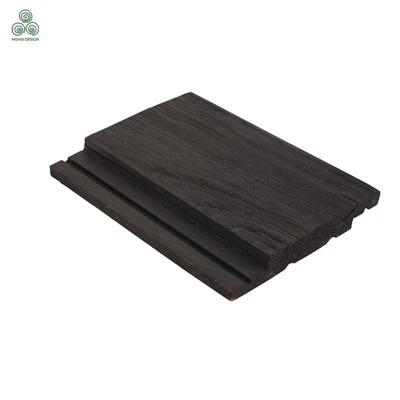
For anyone new to carbonized wood (which we also sometimes call torrefied wood around here, but no fancy jargon), it’s basically wood that’s been heated super hot—like 200 to 300 degrees Celsius, with almost zero oxygen—until it loses most of its moisture, sugars, and resins. The result? It’s way more rot-resistant, durable, and weatherproof than regular wood, with that cool dark charcoal tone that everyone loves for outdoor decks, kitchen countertops, and even modern furniture. But that heat treatment changes how it behaves, so joining it to steel, concrete, other woods, or even plastic isn’t just “glue it like normal lumber.” I’ve messed up so many projects trying to skip the basics, so let’s walk through what actually works, what doesn’t, and what I’ve picked up along the way as a supplier, not just a tinkerer.
First off, let’s talk about why carbonized wood is trickier than regular wood for joining. Regular wood has those little pockets and grain gaps that hold glue, right? But when you heat wood to make it carbonized, it collapses those tiny porous cells a bit, and also burns off all those natural resins that act like glue for regular lumber. I learned this the hard way my first year: I tried to glue a carbonized wood planter box to steel brackets with standard wood glue, and within a month, the glue had dried out and cracked because it couldn’t stick to the “non-stick” surface left by the torrefaction process. Also, carbonized wood is way less porous than normal wood—you can actually tap it and hear a higher, hollower sound, which tells you that those cells are packed tighter, so glue doesn’t seep in the same way. That’s the big myth people buy into: “it’s just treated wood, do the same stuff.” No, it’s not.
Now, let’s get into the materials you can join carbonized wood to, because that changes everything. Let’s start with the most common ones first—other woods. I’ve joined carbonized wood to both regular softwood (pine, cedar) and even other carbonized hardwoods (oak, teak). The key here is to prep the surface right. I don’t sand it smooth like you would for a painting—wait, no, actually sand it a little, but not too much. You need to rough up the surface just enough to get past that thin, waxy layer that forms on carbonized wood when it’s heated. I usually use 80-grit sandpaper first, then wipe it down with a stiff bristle brush to get all the dust out of the grain, then follow up with a tack cloth. For glue, I swear by polyurethane construction adhesive, not your standard PVA wood glue. PVA just can’t grab that carbonized surface, but polyurethane actually foams a tiny bit when it cures, seeps into the remaining small pores, and locks in. Last year, a customer in Oregon used this method to build a 12-foot outdoor dining table with carbonized wood tabletop and pine legs, and it’s been through rain, snow, and BBQ spills for two years without a single crack or separation. That’s way better than the first test piece I made, which fell apart after a rainstorm.
Next, the material most people ask about: metal. Steel, aluminum, even stainless steel—this is where I’ve had the most wins (and losses). The trick here isn’t just glue, it’s mechanical fasteners or a combination of fasteners and adhesive, because metal and carbonized wood expand and contract at totally different rates when temperatures change. Regular wood screws rust way too fast when paired with carbonized wood outdoors, so I only use stainless steel or hot-dipped galvanized screws and bolts. But I also pre-drill the holes in the carbonized wood oversized, like 1/16 inch bigger than the screw. Wait, why? Because when carbonized wood is outside, it moves a little—way less than regular wood, but enough that if you drill a tight hole, the screw will pop the wood if it swells or shrinks. I learned this when I built a sample deck with carbonized wood and steel railings, and I didn’t oversized the holes. After a few weeks of hot, dry weather, the screws pulled the wood so tight it split in three places. Oops. For even better hold, I use a little bit of epoxy on the metal part of the screw before I drive it in—this seals the tiny gap between the screw and the wood, keeps water out, and adds extra grip. We recently supplied carbonized wood to a metal fabrication company in Texas that builds outdoor patios, and they reported zero issues after using this method on 50+ projects last year.
Then there’s concrete. This one’s less common, but super popular for modern minimalist projects—think concrete countertops with carbonized wood edges, or outdoor concrete planter bases with a carbonized wood top. Joining carbonized wood to concrete is a two-step game. First, you have to treat the concrete surface: etch it a little with muriatic acid (wear gloves, obviously) to rough it up, then rinse it super well and let it dry completely—any moisture here will kill the bond. Then, for the wood side, I do two things: sand it with 60-grit, then coat it with a thin layer of epoxy primer before applying the final adhesive. I tried just gluing them straight once, and the concrete’s high pH broke down the glue within a few months. But the epoxy primer acts as a barrier, and the polyurethane adhesive we use grabs both the primed wood and the etched concrete like glue (pun intended). We did a test for a design studio in Brooklyn last year where they built a concrete-carbonized wood bench for a public park, and it’s been out there for 18 months, no issues at all. Cool, right?
What about materials I’d avoid? Let’s be real, not every combination works. I’ve tried joining carbonized wood to plastic (like PVC trim) and it just didn’t hold. The plastic’s smooth surface doesn’t let any glue or fasteners get a grip, and they expand at such different rates that even if you get a temporary bond, it’ll pull apart. I also wouldn’t recommend joining it to untreated regular wood if you’re using it outdoors—regular wood holds way more moisture, so it swells and shrinks way more than carbonized wood, and that movement will tear apart the joint. I learned that when I tried to make a small shelf with a carbonized wood top and pine sides, and after the first winter, the pine sides had warped so much the shelf was lopsided. So only pair carbonized wood with other weather-resistant materials if it’s for outdoor use.
Wait, let’s talk about a common misconception I hear all the time: “can I just use nails?” Nah, nails work for regular wood but not for carbonized. Carbonized wood is harder than regular wood, so nails will bend or split the wood if you just hammer them in. Screws are way better because you can drive them straight with less force, and the oversized holes we talked about earlier prevent splitting. I also like to countersink the screw heads, then fill them with a matching epoxy putty to keep the surface smooth—no unsightly metal peeking through, and it adds extra protection against water.
As a supplier, I always give my clients a little “joining cheat sheet” with every bulk order, because I know how frustrating it can be to get the wood and then realize you have no clue how to put it together. The most frequent tips I include are: 1) Never use standard wood glue or uncoated metal fasteners—invest in polyurethane adhesive and stainless steel screws. 2) Always rough up carbonized wood surfaces with coarse sandpaper before gluing, no exceptions. 3) Don’t drill tight holes for fasteners—oversize them to accommodate minor movement. 4) If you’re working outdoors, add a waterproof sealant over the joint after you’re done—we carry a custom UV-resistant sealant that works perfectly with our carbonized wood, and it doesn’t fade that dark charcoal tone.
I’ve had so many clients come back to me years later saying that they used our carbonized wood for a project and had no issues with joining, and that’s the best part of this job. Last month, a guy in Chicago sent me photos of a whole wall unit he built using our 2×4 carbonized planks joined to steel brackets, and he said it’s survived the brutal Midwest winters and humidity for three years. That’s why I love this material—it’s not just pretty, it’s durable, and it works with so many other materials if you know the right tricks.
But let’s get real, it’s not a one-size-fits-all. If you’re a hobbyist building a small indoor shelf, you can probably get away with simpler tools and adhesive, because there’s no extreme weather stress. But if you’re a contractor building an outdoor deck that’s going to be in the Florida sun or Pacific Northwest rain, you need to take that extra time to prep the surfaces and use the right materials. That’s why I’m always here to answer questions—my whole business is built on not just selling carbonized wood, but helping people use it right, including joining it to whatever other materials they have for their project.
So to circle back to the original question: yes, carbonized wood can absolutely be joined to other materials. It just takes a little more prep than regular wood, and using the right adhesives and fasteners is non-negotiable. I’ve tested every combination I’ve mentioned here personally, and all of them have worked when done correctly—no hacks, just actual trial and error in my workshop.

If you’re working on a project right now and wondering how to join your carbonized wood to metal, concrete, or other materials, don’t hesitate to reach out. I can send over that free joining cheat sheet, answer any specific questions about your project, or even help you pick the right type of carbonized wood for what you’re building.
Wood Shingles References:
- Esteves, B., & Pereira, H. (2009). Wood modification by heat treatment: A review. BioResources, 4(1), 370-404.
- Kretschmann, D. E. (2010). Wood Handbook: Wood as an Engineering Material. U.S. Department of Agriculture Forest Service.
- Sandberg, D., Kutnar, A., & Mantanis, G. (2013). Thermal modification of wood—A review. Wood Science and Technology, 47(6), 1155-1180.
Dongguan Mumu WoodWork Co., Ltd.
As one of the most professional carbonized wood manufacturers and suppliers in China, we also support customized service. Please feel free to wholesale bulk high quality carbonized wood for sale here from our factory. Good service and low price are available.
Address: Room No.2602-2603, Unit 9B, Universal Commerce Center, Nancheng District, Dongguan City, Guangdong Province, China,523073
E-mail: sales@mumu-ing.com
WebSite: https://www.mumuthermowood.com/
