Hey there,
If you’ve ever spent time troubleshooting a wonky commercial refrigeration unit in a café, grocery store, or small restaurant, you already know this: 90% of the time, the problem isn’t the unit itself—it’s how it was installed. As someone who’s been supplying commercial fridges and freezers for over a decade, I’ve seen it all. A café owner swears their new display cooler keeps dumping ice, turns out their tech cut 6 inches of the condensate line. A grocery store’s walk-in freezer runs nonstop 24/7, all because they tucked it too close to a dirty wall and blocked the condenser. Commercial Refrigeration Unit
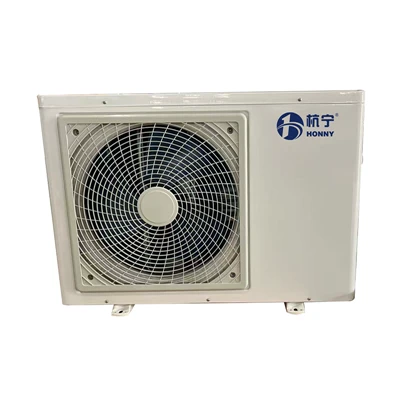
Today, let’s get real about what actually matters when installing a commercial refrigeration unit—no fancy jargon, no confusing industry fluff, just the straight stuff I pass on to every customer when they pick up my stock. Because bad installation doesn’t just mean a pricey service call; it can kill your unit’s lifespan by half, jack up your energy bills, and even put your health code at risk.
First things first: location is non-negotiable. I know it seems easy to set that new prep fridge in the empty spot by the back door, or slide the display cooler right under the window where it looks cute. But here’s the thing: commercial refrigeration units breathe air to cool themselves, specifically the condenser part. If they don’t get enough clean, cool, unobstructed air, they have to work way harder than they should. That’s a fast track to breakdowns.
For walk-in units, rule number one is at least 12 inches of clear space around the condenser coils (that’s the flat metal grate on the side or back of the unit—google it if you’re not sure, super obvious once you see it). For under-counter or display coolers? Don’t push them flush against walls. Leave 4 to 6 inches on the sides and back for air flow. And whatever you do, never put a refrigeration unit near a heat source—stoves, ovens, dishwashers, even radiators. A prep fridge next to a 300°F griddle? It’s basically trying to cool a hot oven, and it’ll never hit the right temp. I had a customer last month who did this and their energy bill went up $180 in the first month. Ouch. Also, skip the spots that get direct sunlight, especially for display units. Sunlight warms the glass and forces the compressor to run nonstop—another unnecessary cost.
Next up: the surface it sits on. This is another rookie mistake. A lot of small business owners just wheel a unit onto the concrete floor in their back prep area, call it a day. But commercial refrigeration units are heavy, and they need a perfectly level surface. If they’re even slightly tilted (more than a quarter of an inch across their base), the oil inside the compressor doesn’t circulate right. That leads to compressor failure, and compressors are the most expensive part of the whole unit—like, half the cost of a new fridge expensive. For under-counter units, that concrete might be fine, but if you’re putting a display cooler on a raised floor, or a walk-in on a sloped spot, you need shims (the thin, adjustable kind, not just scrap wood). For walk-ins, the floor has to be a solid, moisture-resistant slab too. No cracks, no soft spots—if the ground shifts, the walls can bow, and that lets cold air escape. I always tell people to check the floor level with a basic spirit level before the install team even shows up. If it’s off, fix it first—don’t let the installers make do.
Now, the electrical hook-up. This is where you can get into trouble fast if you skip the basics. Most home fridges plug into a regular 110V outlet, but commercial units? They need dedicated circuits—meaning that outlet is only for that refrigeration unit, no other appliances (like your blender, coffee maker, or toaster plugged into the same line). Why? Because commercial fridges pull a lot of power when they kick on, and if there’s other stuff on the same circuit, you’ll trip breakers, overheat wires, or even cause a fire. Also, check the voltage of your unit—some larger walk-ins or reach-in freezers need 220V, not 110V. I can’t tell you how many times I’ve sent a unit out and the customer’s old outlet is the wrong voltage. They end up calling an electrician a week later, and that’s an extra cost they didn’t budget for. Pro tip: have a licensed electrician check your circuit before the unit arrives. Don’t guess on this—bad electrical work is not worth the risk.
Then there’s the piping and condensate line. This is the part most people never think about until it’s too late. Let’s start with refrigerant lines—those are the copper pipes that move the cold refrigerant between the evaporator (the cold part inside the fridge) and the condenser. When you install these lines, they can’t be too long, and they can’t have too many bends. Every bend, every extra foot, makes the unit work harder. Also, they need to be insulated properly—if they sweat, that moisture can drip on your floor, cause mold, or even damage the piping. Now the condensate line: that’s the line that carries the water from the fridge’s evaporator (the cold part) to a drain or a pan under the unit. It has to slope slightly downward—like, a quarter inch for every 10 feet—so water flows the right way. If it’s sloped wrong, water backs up. That can leak into your floor, or even cause the fridge to ice over completely. I had a sandwich shop customer last year who didn’t slope the condensate line right. They came in one morning to a foot of water in their back prep area, and all their sandwich buns were ruined. Not a fun Monday.
Ventilation for walk-ins is another big one. Walk-in units need proper air flow inside the space too, not just around the condenser outside. If the shelves are packed too tight, or the door is left open for 10 minutes at a time every few hours, cold air can’t circulate. Some walk-ins need an air vent high on the wall and a return vent low down to keep the air moving. If you skip that, you’ll have cold spots in the corners, and food will spoil faster. Also, the door seals are super important. Make sure the gaskets (the rubber around the door) are tight—run a dollar bill between the gasket and the frame, if it pulls out easy, the seal is bad. Replace seals if they’re cracked or worn—cold air escaping through a bad seal is like leaving your front door open in winter, wasting money.
Wait, let’s talk about code compliance too. This isn’t just a “nice to have”—it’s a must. Every city has health and safety codes for commercial refrigeration. For example, some areas require that walk-in units have a panic release on the inside of the door (so if someone gets locked in, they can get out fast). Others require that condenser units are mounted high enough so they don’t get splashed by floor water or cleaning supplies. If you’re in a state with strict food safety rules, you need to make sure your install meets the local health department’s standards. I always tell customers to check with their local health inspector before installing—better to do it right the first time than get a fine for non-compliance.
And let’s not forget about post-install checks. The install team shouldn’t just plug the unit in and leave. They should test the temperature—set it to the correct temp (for a fridge, that’s 37°F or below; for a freezer, 0°F or below) and make sure it holds steady. They should check for leaks in the refrigerant lines, make sure the condensate line is draining properly, and show you how to adjust the temperature if needed, or clean the coils. I include a quick walkthrough with every unit I supply, because I don’t want my customers to have to call me a month later because they don’t know how to use their new fridge right.
Here’s the thing I always remind people: installing a commercial refrigeration unit isn’t a job for a handy friend or a cousin who “knows about wiring.” Hire a licensed, experienced tech who works with commercial units, not home fridges. A lot of general handymen don’t know the specific requirements for walk-ins or reach-in freezers, and that’s where mistakes happen. As someone who’s been in this game for years, I’d rather a customer pay a good installer upfront than save $200 on a sketchy job that costs them $2,000 in repairs later.
I know this all sounds like a lot, but it’s really just common sense when you stop and think about it. Commercial refrigeration is a big investment, whether you’re a small café with one display cooler or a grocery store with a walk-in. Getting the installation right means your unit will last longer, run cheaper, keep your food safe, and save you a ton of stress down the line.
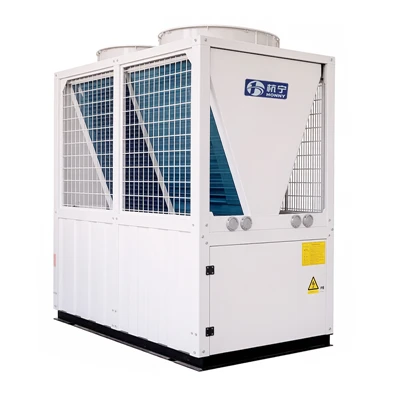
If you’re looking for a reliable commercial refrigeration unit, from display coolers to walk-in freezers, I’ve got you covered—we stock all the top brands, and we can even connect you with trusted installers in your area who know exactly what they’re doing. Don’t let a bad installation ruin your new unit or your business. Hit me up to chat about what you need, and we’ll make sure you get set up right.
Commercial Water Heater References
- Food and Drug Administration (FDA). (2022). Food Code: Commercial Refrigeration and Temperature Control.
- Air-Conditioning, Heating, and Refrigeration Institute (AHRI). (2021). Installation Guidelines for Commercial Refrigeration Equipment.
- Occupational Safety and Health Administration (OSHA). (2020). Electrical Safety Requirements for Commercial Appliances.
Hangzhou Honny Heat Energy Technology Co., Ltd.
We are one of the most experienced commercial refrigeration unit manufacturers and suppliers in China. With a professional production team, we are able to meet the needs of the majority of our customers. Please feel free to wholesale customized commercial refrigeration unit from our factory. Also, quotation is available.
Address: Dingshan Village, Wenyan Subdistrict, Xiaoshan District, Hangzhou City, Zhejiang Province
E-mail: 524435406@qq.com
WebSite: https://www.hnrnkj.com/
