Can Antibacterial Masterbatch be used in kitchenware? Antibacterial Masterbatch
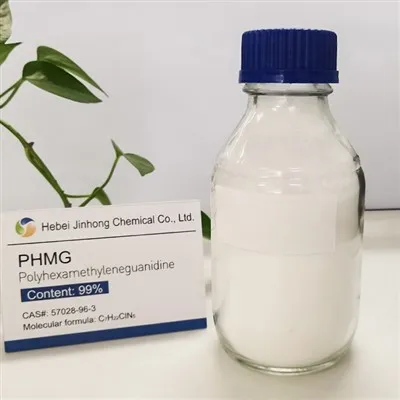
In the modern world, where health and hygiene are of utmost importance, the demand for antibacterial products has been on the rise. As a leading antibacterial masterbatch supplier, I am often asked whether our masterbatch can be used in kitchenware. In this blog post, I will delve into this topic, exploring the science behind antibacterial masterbatch, its potential applications in kitchenware, and the benefits it offers.
Understanding Antibacterial Masterbatch
Antibacterial masterbatch is a concentrated mixture of antibacterial agents and a polymer carrier. The antibacterial agents are carefully selected and formulated to inhibit the growth of bacteria, fungi, and other microorganisms. When added to a polymer during the manufacturing process, the masterbatch imparts antibacterial properties to the final product.
There are several types of antibacterial agents used in masterbatch, including silver-based compounds, zinc oxide, and organic antibacterial agents. Silver-based antibacterial agents are particularly popular due to their broad-spectrum antibacterial activity, long-lasting effectiveness, and low toxicity. They work by releasing silver ions, which can disrupt the cell membranes and metabolic processes of bacteria, preventing their growth and reproduction.
The Need for Antibacterial Kitchenware
Kitchenware is constantly exposed to a variety of food residues, moisture, and bacteria. Cutting boards, utensils, and food storage containers can become breeding grounds for harmful microorganisms, such as E. coli, Salmonella, and Staphylococcus aureus. These bacteria can cause foodborne illnesses, which can be particularly dangerous for children, the elderly, and people with weakened immune systems.
Antibacterial kitchenware can help to reduce the risk of foodborne illnesses by inhibiting the growth of bacteria on the surface of the products. By keeping the kitchenware clean and free of bacteria, we can create a safer and more hygienic cooking environment.
Applications of Antibacterial Masterbatch in Kitchenware
Antibacterial masterbatch can be used in a wide range of kitchenware products, including:
- Cutting Boards: Cutting boards are one of the most commonly used kitchen utensils, and they are often exposed to raw meat, poultry, and vegetables. Antibacterial cutting boards can help to prevent cross-contamination and reduce the risk of foodborne illnesses.
- Utensils: Spoons, forks, knives, and other utensils can also harbor bacteria. Antibacterial utensils can help to keep them clean and hygienic, especially when used in a shared kitchen environment.
- Food Storage Containers: Food storage containers are used to store leftovers and perishable foods. Antibacterial containers can help to extend the shelf life of the food by inhibiting the growth of bacteria and mold.
- Kitchen Appliances: Some kitchen appliances, such as blenders, mixers, and toasters, can also accumulate bacteria over time. Antibacterial masterbatch can be used to manufacture the plastic parts of these appliances, helping to keep them clean and hygienic.
Benefits of Using Antibacterial Masterbatch in Kitchenware
There are several benefits to using antibacterial masterbatch in kitchenware, including:
- Improved Hygiene: Antibacterial kitchenware can help to reduce the growth of bacteria, fungi, and other microorganisms, creating a cleaner and more hygienic cooking environment.
- Extended Product Lifespan: By inhibiting the growth of bacteria and mold, antibacterial masterbatch can help to extend the lifespan of kitchenware products. This can save consumers money in the long run by reducing the need for frequent replacements.
- Enhanced Safety: Antibacterial kitchenware can help to reduce the risk of foodborne illnesses, which can be particularly important for vulnerable populations, such as children, the elderly, and people with weakened immune systems.
- Consumer Appeal: In today’s health-conscious society, consumers are increasingly looking for products that offer antibacterial protection. By using antibacterial masterbatch in kitchenware, manufacturers can differentiate their products and appeal to a wider range of consumers.
Considerations for Using Antibacterial Masterbatch in Kitchenware
While antibacterial masterbatch offers many benefits, there are also some considerations to keep in mind when using it in kitchenware:
- Regulatory Compliance: Before using antibacterial masterbatch in kitchenware, it is important to ensure that the product complies with all relevant regulatory requirements. This includes ensuring that the antibacterial agents used in the masterbatch are safe for use in food contact applications.
- Compatibility: The antibacterial masterbatch must be compatible with the polymer used in the kitchenware manufacturing process. Incompatible materials can lead to issues such as poor dispersion, reduced mechanical properties, and discoloration.
- Effectiveness: The effectiveness of the antibacterial masterbatch depends on several factors, including the type and concentration of the antibacterial agent, the surface area of the kitchenware, and the environmental conditions. It is important to choose a masterbatch that has been tested and proven to be effective against a wide range of bacteria.
- Cost: Antibacterial masterbatch can be more expensive than traditional masterbatch. However, the benefits of using antibacterial kitchenware, such as improved hygiene and extended product lifespan, may outweigh the additional cost.
Conclusion
In conclusion, antibacterial masterbatch can be a valuable addition to kitchenware products. It offers several benefits, including improved hygiene, extended product lifespan, enhanced safety, and consumer appeal. However, it is important to consider the regulatory compliance, compatibility, effectiveness, and cost when using antibacterial masterbatch in kitchenware.
As a leading antibacterial masterbatch supplier, we offer a wide range of high-quality masterbatch products that are specifically designed for use in kitchenware. Our masterbatch products are formulated with safe and effective antibacterial agents, and they have been tested and proven to meet the highest quality standards.
Polyhexamethylene Biguanide If you are interested in using antibacterial masterbatch in your kitchenware products, we would be happy to discuss your specific needs and requirements. Please contact us to learn more about our products and services, and to start a conversation about how we can help you create safer, more hygienic kitchenware.
References
- [1] "Antibacterial Polymers and Their Potential in Food Packaging Applications." Journal of Food Science, vol. 75, no. 1, 2010, pp. R1-R10.
- [2] "Silver Nanoparticles: Synthesis, Characterization, Properties, Applications, and Therapeutic Approaches." Chemical Reviews, vol. 110, no. 7, 2010, pp. 4701-4723.
- [3] "Antibacterial Activity of Zinc Oxide Nanoparticles: A Review." Nanoscale Research Letters, vol. 10, no. 1, 2015, p. 24.
Hebei Jinhong Chemical Co., Ltd.
Hebei Jinhong Chemical Co., Ltd. is one of the most professional antibacterial masterbatch manufacturers and suppliers in China. With abundant experience, we warmly welcome you to wholesale high quality antibacterial masterbatch made in China here and get pricelist from our factory. For price consultation, contact us.
Address: North of Fazhan Road, East of Qingyuan Road, Nanbao Development Zone, Tangshan City, Hebei Province
E-mail: kevin@hbjhchemical.com
WebSite: https://www.hbjhchemical.com/
