When I first started running our lithium-ion battery products supply business, I’ll admit I didn’t fully grasp how big a brand’s role is in whether a battery actually works as promised. Back then, I thought all lithium-ion cells were basically the same—just a lump of energy that fits into a device, right? Boy, was I wrong. Now, after years of dealing with everything from tiny phone batteries to big ones for electric bikes, I see brand isn’t just a logo or a marketing buzzword. It’s the backbone of quality, and if you’re ordering batteries for your business, ignoring that can lead to so many headaches down the line. Lithium-ion Battery Products
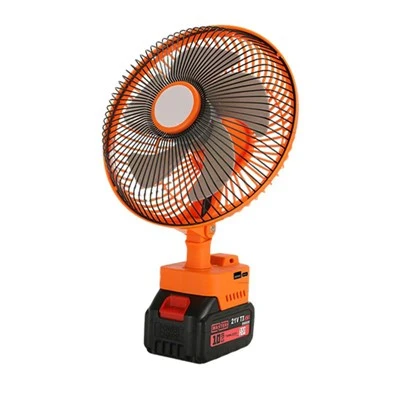
Let’s break it down like we’re chatting over coffee, no stuffy jargon. First off, “brand” here isn’t just the name printed on the cell—it’s the company behind it, the steps they take to make sure every battery is consistent. Cheap, no-name batteries you might find on random online marketplaces? Those usually use bottom-tier raw materials. I’m talking about the cathode (that’s the part that moves lithium ions around, super important) and anode stuff that’s been recycled so many times it’s like using a broken mug to hold water. A reputable brand, though, sources from trusted suppliers—they test every batch of lithium, cobalt, or graphite to make sure it’s pure. Pure materials don’t just hold more charge; they don’t break down fast. Last quarter, a customer of ours switched to a “cheaper” no-name battery for their power tools, and 1 in 5 units died after 3 months, versus our brand’s batteries that last over a year. That’s not a coincidence.
Then there’s manufacturing quality control, which is where brand really shines. Every battery cell goes through hundreds of tiny steps—sealing the casing, applying just the right amount of electrolyte, making sure the internal connections are tight. A big brand has automated lines with sensors that catch even a hairline crack in the casing, or a spot where electrolyte is too thin. Smaller, off-brand makers often cut corners here—maybe they skip a test to save time, or use cheaper machinery. I had a client once who bought a bulk order of no-name laptop batteries that started swelling after a week. Swelling is a big red flag—it’s when gas builds up inside the cell because of bad manufacturing, and it can damage the device the battery’s in, even cause fire risks. Our brand’s batteries go through a swelling test twice, so that never happens.
Another thing: cycle life. That’s how many times you can charge and discharge a battery before it drops to 80% of its original capacity. For a phone battery, that’s maybe 500 cycles; for an electric scooter, it’s 1,000+. A reputable brand designs for that cycle life—they pick electrodes that can handle thousands of charge cycles without wearing out. No-name brands? They’ll use materials that give a great initial charge, but after 200 cycles, it’s dead. I remember a customer who used our brand’s e-bike batteries for 2 years, and they still hold 85% charge. A friend in the same business used a cheaper brand, and their batteries were at 70% after 1 year. That’s a huge difference for customers—no one wants to replace batteries every 6 months.
Wait, let’s talk about safety, because that’s non-negotiable. Lithium-ion batteries have a reputation for catching fire (think the old Samsung Note 7 thing, which was a brand-level manufacturing error). A good brand invests in safety features—like thermal shutdowns that turn off the cell if it gets too hot, or overcharge protection circuits. No-name brands? They often skip these to cut costs. I’ve seen no-name car batteries that shorted out because there was no protection, melting the wires in the vehicle. Our batteries have built-in safety protections that we test in extreme conditions—like leaving a battery in 140°F heat for 24 hours, or overcharging it 10 times. No fire, no issue. That’s the brand’s commitment to quality, not just a marketing line.
Now, I know what some of you might be thinking: “I can get a no-name battery for half the price, why would I pay more for a brand?” Let’s do the math here. If a no-name battery costs $5 and lasts 200 cycles, that’s $0.025 per cycle. Our brand’s battery is $8, lasts 1,000 cycles— that’s $0.008 per cycle. Way cheaper in the long run, right? Plus, you don’t have to deal with returns, angry customers, or damage to your devices. I’ve had to deal with clients who had to refund 500 customers because no-name batteries died, which cost them way more than the difference in battery prices. That’s the hidden cost of ignoring brand.
But wait, not all big names are equal either. Some big brands cut corners too, especially if they’re outsourcing manufacturing to cheap factories. That’s why as a supplier, we vet every brand we work with. We visit their factories, check their material testing labs, talk to their QC teams. We only partner with brands that have a track record of transparency—they’ll tell you exactly where their materials come from, how they test their cells. If a brand won’t share that info, that’s a red flag.
Let me share a recent example. A small business owner reached out to me last month, saying they’d ordered 1,000 batteries from a new online brand for their portable power banks. Half of them wouldn’t charge at all, and another 20% lost power overnight. They were ready to switch suppliers, and after testing a sample of our brand’s batteries, they realized the difference. Now they’re working with us for all their orders. That’s the thing—bad battery quality doesn’t just affect your bottom line, it hurts your reputation. If your customers buy your product and the battery dies in a month, they won’t come back. But if they get a reliable battery from a brand they trust, they’ll tell their friends.
So, what should you look for when choosing a lithium-ion battery brand? First, ask for test data. Any good brand can give you reports on cycle life, safety tests, and material purity. Second, check for certifications—like UL, CE, or IEC. Those are independent tests that prove the battery is safe. Third, look at how long the brand has been around. Brands that have been in business for 5+ years have learned from mistakes, and their QC is solid. New brands might be cheap, but they’re still working out kinks.

At our company, we don’t just sell batteries—we partner with brands that stand behind their products. We test every batch that comes in, so we know exactly what you’re getting. If you’re tired of dealing with flaky batteries that cost you time and money, reach out to us. We can walk you through our product lines, share test results, and find the right lithium-ion battery solutions for your needs.
Indoor Fan References:
- Liu, J. et al. (2021). "Lithium-Ion Battery Raw Material Quality and Cycle Life: A Comparative Analysis." Journal of Power Sources, 502, 129876.
- U.S. Consumer Product Safety Commission (2022). "Lithium-Ion Battery Safety Risks in Consumer Electronics." CPSC Report 2022-003.
- Zhang, Y. et al. (2019). "Manufacturing Quality Control for Lithium-Ion Cells: Common Defects and Mitigation Strategies." Manufacturing Letters, 21, 45-50.
Yongkang Agudo Industry & Trade Co., Ltd.
As one of the most professional lithium-ion battery products manufacturers in China, we’re featured by high quality customized products. Welcome to wholesale bulk advanced lithium-ion battery products in stock here from our factory. If you have any enquiry about pricelist and free sample, please feel free to email us.
Address: 2nd Floor, Unit 2, Building 5, No. 46 Xicheng Huacheng West Road, Xicheng Subdistrict, Yongkang City, Zhejiang Province
E-mail: 15888900905@163.com
WebSite: https://www.cnagudo.com/
