If you’ve ever picked up a plastic product—whether it’s a water bottle, a food container, or a kid’s toy—chances are it’s not 100% plastic. I’ve been supplying high-quality carbonates to plastic manufacturers for over 12 years now, and one of the most common questions I get at trade shows, over email, and even from casual industry peers is: “What do carbonates even do in plastic? I thought they were just for cement or antacids.” It makes sense if that’s what you associate them with—calcium carbonate, magnesium carbonate, the whole family of these compounds have well-known uses beyond polymers. But in the plastic industry, they’re not just fillers. They’re game-changing materials that cut costs, improve performance, and even make plastic products more sustainable. Let’s break this down, from how we supply our carbonates to manufacturers, to the real-world impacts they have on everything from packaging to construction plastics. Carbonates
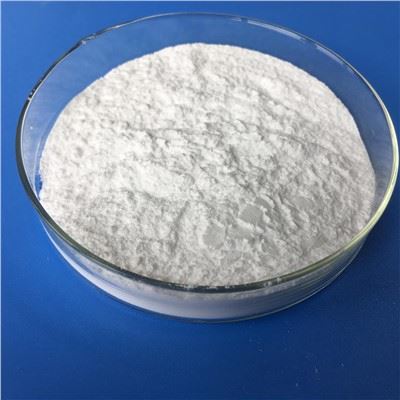
First, let’s get the basics straight: when we talk about carbonates in plastic, 90% of the time we’re talking about ground calcium carbonate (GCC) or precipitated calcium carbonate (PCC). GCC is mined from limestone or marble, ground down to fine particles, and processed for uniformity—something we focus on a lot at our operations, because particle size and shape matter more than most people realize. PCC is synthetic, made by reacting calcium oxide (lime) with carbon dioxide, so it has a more consistent particle shape and size than mined GCC. Both are non-toxic, inert, and cheaper than the polymers that make up the bulk of plastic products. That cost savings is one of the biggest drivers for their use.
Let’s start with the most common application: packaging. The global plastic packaging market is massive, and manufacturers are always looking for ways to lighten products to cut shipping costs without making them too flimsy. That’s where our GCC comes in. For example, flexible plastic films used for grocery bags, cereal boxes, or shrink wrap often use up to 30% carbonate by weight. Wait, that’s not a typo—one-third of the film is our material instead of more expensive polyethylene (PE). But it’s not just about cost. Adding calcium carbonate actually improves the film’s strength. When the carbonate particles are properly dispersed in the polymer matrix, they create cross-links that make the film more resistant to tearing and punctures. I remember a client a few years back who was switching from virgin PE to a PE-carbonate blend for their produce bags. They told us after testing that they could reduce the film thickness by 20% while still meeting food safety standards, and the bags didn’t break when you loaded them with 20 pounds of apples. That’s a win-win for them and their customers—less plastic used per bag, lower material costs, and a more durable product.
For rigid packaging, like plastic bottles, jugs for cleaning products, or food containers, the story is similar, but with a twist. Here, we often supply a coated grade of calcium carbonate. Uncoated carbonate particles can stick to each other during processing, making it hard to mix them evenly into the molten plastic. Coating them with a small layer of stearic acid, a fatty acid derivative, makes them hydrophobic—meaning they repel water, so they mix seamlessly with the non-polar polymers like polyethylene terephthalate (PET) used in soda bottles. A big advantage here is that coated carbonates can reduce the shrinkage rate of rigid plastic parts. When plastic cools after molding, it shrinks, which can lead to warping or uneven edges. Adding carbonate balances that shrinkage, so parts fit better during assembly and look more consistent. A client that makes plastic automotive oil jugs told us that before they started using our coated carbonate, they had a 8% defect rate due to warped jugs after molding. After switching, that defect rate dropped to under 1%—a huge saving in reworked materials and labor.
Next, let’s talk about construction plastics. This is a space that’s grown a lot in the last 10 years, as the construction industry shifts more toward plastic-based products like PVC pipes, window profiles, and plastic lumber. Here, magnesium carbonate is also used alongside calcium carbonate, but the biggest benefit for construction is heat resistance. PVC, which is one of the most common plastics in construction, can start to degrade when heated to over 100°C, which causes it to discolor and lose strength. Our carbonate acts as a heat stabilizer and acid scavenger for PVC. When PVC starts to break down, it releases small amounts of hydrochloric acid. The carbonate reacts with that acid, neutralizing it before it can damage the polymer chains. That means PVC pipes and window frames stay durable for decades, even in extreme outdoor temperatures. We supply a specialty grade of magnesium carbonate specifically for this application, and it’s been in high demand as construction projects around the world move to more long-lasting, low-maintenance plastic materials.
I also can’t skip over the sustainability angle, because that’s a huge talking point for plastic manufacturers right now. A lot of people assume adding fillers like carbonates is just a way to cut corners, but it’s actually a key part of making plastic more sustainable. First, since carbonates are cheaper than virgin polymer, manufacturers can use less plastic overall. That means fewer fossil fuels used to make the original resin, and less waste from overpackaging. Second, many carbonates are mined from natural stone, and they’re 100% recyclable in some cases. Wait, let’s be clear: plastic products with carbonate can’t be recycled the same way as pure plastic, but some recyclers are now starting to accept them because the carbonate doesn’t interfere with the polymer processing. Our team works closely with a few recycling facilities to test blends, and we’ve seen that plastic with 30% or less calcium carbonate breaks down just as well as pure plastic in mechanical recycling processes. Even better, when the plastic is incinerated at the end of its life, the carbonate releases carbon dioxide—but wait, that’s the same carbon dioxide that was absorbed by the limestone millions of years ago, so it’s part of a closed carbon cycle, not new fossil carbon. That’s a big difference from burning virgin plastic, which releases ancient carbon into the atmosphere.
Of course, it’s not all smooth sailing. There are challenges to using carbonates in plastic, which is why our job as a supplier is more than just mining and grinding. For example, too much carbonate can make plastic brittle, so we have to work with manufacturers to get the right ratio—usually between 10% and 40%, depending on the product. Also, the particle size is critical. If the particles are too big, they create weak spots in the plastic, leading to cracks. If they’re too small, they’re more expensive to produce, and they can agglomerate (stick together) during processing. That’s why we invest in particle size analysis equipment and quality control testing at every step of the process. We test each batch of our carbonate to make sure 90% of the particles are within a 2-micron range for film applications, for example, because that’s the sweet spot for dispersion and strength.
I’ve seen a lot of misinformation online lately that says carbonates are just “cheap fillers” that lower the quality of plastic, but that’s not the case anymore. Modern processing techniques, like twin-screw extruders, let manufacturers mix carbonate into plastic much more evenly than they could 20 years ago. And new grades of coated carbonates have opened up even more applications, from 3D printing filaments to medical plastics. Wait, medical plastics—yes, we even supply a USP-grade calcium carbonate that’s used in some medical devices, like disposable syringes and drug packaging. Because our carbonate is inert, non-toxic, and meets strict purity standards, it can be used in products that come into contact with food or the human body. That’s a big part of why we’ve built long-term relationships with clients in the pharmaceutical industry, not just packaging and construction.
Let me share a story that stuck with me. A few years back, a small startup that made plant-based plastic cutlery reached out to us. They were having trouble getting their cutlery to pass strength tests—most of the time, it would bend or break when you used it to eat a hearty meal. They were using a 100% PLA (polylactic acid, a plant-based polymer) blend, which is brittle on its own. We suggested a blend of our coated calcium carbonate with PLA, at a 25% ratio. They tested it, and their cutlery passed all the strength tests, and it even biodegraded faster in compost than the pure PLA. That’s a perfect example of how carbonates aren’t just for cutting costs—they’re for solving real product performance problems, especially in the growing sustainable plastic space.
So, what does all this mean for a plastic manufacturer looking to use carbonates? It’s not just about picking any carbonate off a shelf. You need a supplier that understands the specific needs of your application: are you making thin film, rigid packaging, or construction materials? Do you need a coated or uncoated grade? What particle size and purity standards do you have to meet (food safety, medical, industrial)? That’s where our team comes in. We don’t just sell carbonates—we work with clients to customize products, test blends in their labs, and adjust our processing to fit their production lines. I’ve had clients come to us with a problem, and we’ve worked together to develop a custom carbonate grade that solves it. That’s the kind of partner we are.

If you’re a plastic manufacturer looking to reduce material costs, improve product performance, or make your products more sustainable, we can help. Whether you’re new to using carbonates or looking to switch suppliers for better quality and service, our team has the expertise and the products to meet your needs. We work with businesses of all sizes, from small startups to large multinational corporations, and we can provide sample batches for testing, as well as technical support for your production team. Don’t hesitate to reach out to our team to discuss your specific requirements and learn how our carbonates can add value to your products.
Potassium Oxalate References
- Plastic Industry Association. (2022). Fillers in Polymer Composites: Applications and Performance Benefits.
- Calcium Carbonate Suppliers Association. (2021). Precipitated and Ground Calcium Carbonate Grades for Industrial Polymers.
- Journal of Applied Polymer Science. (2020). The Effect of Coated Calcium Carbonate on Shrinkage and Strength of Rigid PET Packaging.
- Construction Plastics Journal. (2022). Additives for Durable PVC Construction Materials: Magnesium Carbonate as a Heat Stabilizer.
- Sustainable Packaging Coalition. (2023). Reducing Plastic Content in Packaging via Mineral Fillers: Environmental and Economic Impacts.
Jiangsu Kolod Food Ingredients Co., Ltd.
As one of the most professional carbonates manufacturers and suppliers in China, we’re featured by quality products and good price. Please rest assured to wholesale bulk carbonates made in China here and get free sample from our factory. Customized orders are welcome.
Address: South Side of Weier Road, Guanyun Development Zone, Lianyungang City, Jiangsu Province, China
E-mail: sales1399@jskolod.com
WebSite: https://www.kolod-group.com/
