If you’re like me, I get asked all the time by home cooks and small bakery owners, “Wait, do food additives actually change how I cook something? Or are they just ‘chemicals’ I shouldn’t touch?” As a food additives supplier who’s been in this game for over a decade, I’m here to break this down—no stuffy lab jargon, just real talk about how the stuff we provide actually shifts the way you prep, cook, and finish your favorite meals, from sourdough loaves to creamy salad dressings. Food Additives

First off, let’s ditch the myth that all additives are some random, lab-made shortcut. A lot of them are just refined versions of things you already know: like citric acid from lemons, or lecithin from soybeans. When we talk about how they affect cooking, it all boils down to two big things: they change how ingredients interact with heat, water, or each other, and they save you time, reduce waste, and keep food tasting good before it even hits the plate. I see this every single day when customers reach out for something specific—whether it’s a family-run pizza place in Detroit or a craft cookie brand in Portland, everyone’s got a unique cooking puzzle, and additives are the puzzle pieces that fit.
Let’s start with the most common (and most misunderstood) area: baked goods. If you’ve ever tried making sourdough only to have it collapse mid-bake, or a cookie that spreads way too much in the oven, you’ve encountered a cooking hurdle that food additives solve. Take dough conditioners, for example. A lot of home bakers think “conditioner” sounds like some fancy chemical, but honestly, it’s a mix of things like DATEM (that’s just a short name for a dough emulsifier) and ascorbic acid (vitamin C). Here’s how that works when you’re mixing dough: those emulsifiers bind to both the water in your flour and the fat, which makes the gluten strands stronger. Gluten is what holds your bread’s shape, right? Without a good conditioner, that gluten can stretch too much when the yeast produces gas, then pop before the loaf is fully baked. When you add our dough conditioner, you’re basically stabilizing the gluten network so it can hold all that yeast gas, rise evenly in the oven, and end up with that fluffy, chewy crumb people love. I once had a small bakery owner tell me they were throwing out 20 loaves a week because their sourdough wasn’t rising consistently—after they added our mild dough conditioner, they cut waste by 18% and sold out every weekend. That’s not cheating; that’s working smarter, not harder.
Then there’s leavening agents, which are basically the backbone of anything that rises—cakes, muffins, even some quick breads. Baking powder is a food additive, and without it, you’d have dense, flat cakes that take twice as long to cook and still don’t taste right. Wait, but what if you’re cooking something on the stovetop, not in the oven? Let’s talk about stews and sauces, because that’s where acidulents and thickeners come into play. Take xanthan gum—people get weirded out by that, but it’s just a polysaccharide made by fermenting sugar, and it’s a total game-changer for sauces. If you’ve ever made a salad dressing that separates in the fridge, or a gravy that’s lumpy and too thin, you know how annoying that is. When you add a tiny bit of xanthan gum (like 0.1% of the total mixture) to a vinaigrette, it binds the oil and water together so they don’t split, even after sitting in the fridge for three days. And here’s the cooking part: if you’re making a sauce for pasta, adding xanthan gum at the end of cooking means you don’t have to simmer it for 20 minutes to reduce—it thickens in 30 seconds over low heat, so you cut down on cooking time without that gummy, floury taste you get from regular cornstarch. I had a customer who ran a food truck that specialized in plant-based mac and cheese; they were using roux (flour and fat) for thickening, which added extra carbs and took forever to make each batch. Swapping in our food-grade xanthan gum let them crank out 50 orders an hour instead of 25, and customers couldn’t tell the difference.
Heat is another big variable when you’re cooking, and additives can totally shift how ingredients react to heat. Let’s talk about Maillard reaction— that’s the fancy browning on steak, bread crust, or roasted veggies that makes food taste so good. There are additives that actually boost the Maillard reaction, and ones that slow it down, depending on what you’re making. For example, if you’re a fry shop making frozen french fries, you might use a small amount of dextrose (a type of sugar) as an additive. When those fries hit the hot oil, the dextrose caramelizes quickly, so the outside browns evenly, no raw white spots, and gets that crispy, golden crust in 3 minutes instead of 5. But if you’re making a pie that needs to bake for an hour without the crust burning too early, you might use an antioxidant like ascorbic acid to slow down the browning of the crust’s surface. That’s not stopping browning entirely—it’s just timing it so the filling cooks through before the crust gets too dark. I’ve seen so many home bakers struggle with burned pie crusts because they put the oven too high, but a tiny dose of ascorbic acid lets you use a lower oven temp and get better results.
Wait, let’s not skip over preserving and texture, because that’s part of cooking too—cooking isn’t just heating food, it’s making it last and taste good when you’re ready to serve it. For example, if you’re making a fruit jam, you need pectin, right? Pectin is a natural polysaccharide found in fruit, but for small batch makers, sometimes the fruit doesn’t have enough natural pectin (like strawberries, which are low in pectin) so you add food-grade citrus pectin as an additive. When you’re cooking jam, the pectin binds with the sugar and acid to make that gel texture. Without it, your jam would be runny, and you’d have to cook it for hours to get it to set, which would burn the fruit and make it tasteless. That’s a cooking process change: pectin cuts your jam cooking time in half, and gives you that perfect spreadable texture without overcooking the fruit. I work with a bunch of small jam makers who swear by our low-methoxyl pectin for their berry jams—they can use less sugar too, because the pectin is so efficient, which is a win for health and flavor.
But here’s the thing that a lot of people don’t realize: additives don’t just “fix” bad ingredients—they let you work with better, fresher stuff without the hassle. Let’s take fresh pasta. If you make fresh pasta at home, you know it’s super delicate; it sticks together when you cook it, and gets mushy if you leave it in the water too long. A small amount of soy lecithin (an emulsifier) added to the pasta dough changes how the starch in the flour reacts to boiling water. The lecithin coats the starch granules so they don’t leak out into the water, which means your pasta doesn’t stick, and stays al dente longer, even if you overcook it by 30 seconds. That’s a huge win for busy restaurants that don’t have time to watch every pot of pasta like a hawk. Last month, a pasta shop owner told me they used to throw out 15 pounds of pasta a week because it was either stuck or mushy—since they started using our lecithin, that number’s down to two pounds a week. No fancy tricks, just an additive that changes how starch interacts with water during cooking.
Now, I get it—some people are still wary of additives, and that’s fair. But here’s the thing: when we source our products, we follow every single safety regulation (FDA, EFSA, all that stuff) and test every batch to make sure they’re pure, no weird contaminants. We don’t sell anything that’s not GRAS (Generally Recognized as Safe) for its intended use. The key is using the right additive for the job, in the right amount. Too much xanthan gum, and your sauce turns slimy; too little, and it still separates. That’s where our team comes in—we don’t just sell additives, we help you figure out how to use them in your specific cooking process. I’ve had a home baker call me at 9 PM panicking because their cake didn’t rise, and I walked them through adding a tiny bit of extra dough conditioner, and it fixed the problem. That’s the service we provide, not just a bag of powder.
Let’s wrap this up with a real example from last week: a customer who runs a line of fresh, refrigerated soup. They were making soup in small batches, and by the time it shipped to stores, the potatoes would get mushy and the carrots would turn brown. The cooking process was fine, but during transport and storage, the ingredients were breaking down. We suggested a small amount of calcium chloride as a firming agent, and a touch of ascorbic acid as an antioxidant. Here’s how that changed their cooking: when they added the calcium chloride to the soup pot right before the potatoes, it keeps the potato cells intact, so they stay firm even after 10 days in the fridge. The ascorbic acid prevents the carrots from oxidizing (that’s the brown stuff) so they stay bright orange and crisp. They didn’t have to change their cooking time or temp—just add two tiny additives, and their soup’s shelf life doubled, no weird aftertaste. That’s how additives affect cooking: they’re not altering the flavor of the food, just how ingredients behave during and after the cooking process to make your life easier and the product better.
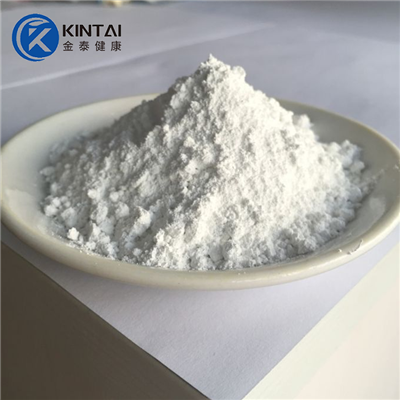
If you’re a home cook, a small business owner, or anyone who’s curious about how food additives can tweak your cooking process for the better, hit us up for a chat. We can send you sample packs, walk you through the best dosages, or answer any weird questions you have (yes, even the ones about “chemicals” being in your cookies). No pressure, no sales pitch—just real advice from people who’ve been in the food game for years.
Skincare Ingredients References:
- Codex Alimentarius Commission. (2021). General Standard for Food Additives (GSFA).
- Institute of Food Technologists. (2022). Food Additives and Their Role in Modern Food Preparation.
- U.S. Food and Drug Administration. (2023). GRAS Notifications for Food Additives.
- Hurst, W. J. (2016). Chemistry of Food Additives and Preservatives. John Wiley & Sons.
- Tunnicliffe, W. S. (2019). Dough Conditioners: Impact on Gluten Structure and Baked Product Quality. Journal of Food Science and Technology.
Kintai Healthtech Inc.
As one of the most professional food additives manufacturers and suppliers in China, we’re featured by quality products and good price. Please rest assured to buy bulk food additives for sale here from our factory. Contact us for more details.
Address:
E-mail: info@kintaibio.com
WebSite: https://www.healthkintai.com/
