Hey there, let’s talk about something super critical for anyone working with PVC foam boards—you know, that stuff you use for signage, exhibition stands, marine parts, furniture, even craft projects? Yeah, that’s PVC foam board. But if you’re like a lot of people who reach for these boards, you’ve probably stopped and thought, “Wait, what actually is the surface finish of PVC foam board?” Because a lot of suppliers skip over that, and it’s the little stuff that makes or breaks your project, right? PVC Foam Board
I’ve been in this game for over 8 years—running a small but solid PVC foam board supply company, so I see this question all the time. I’ve had sign-makers call panicking because their board’s finish scratched too easy for a outdoor job, a boatbuilder come back upset because their marine panel’s finish lifted when they wiped it down, even a high school craft teacher yell at us once because the finish on their display board stained when they glued on posters. Turns out, surface finish isn’t just a “nice to have” detail—it’s make-or-break depending on what you’re doing. And the weird part? It’s not one single finish. There’s a whole spectrum, and most people don’t realize that until they buy the wrong one. Let’s break it down like we’re chatting over coffee, no boring jargon.
First, let’s get one thing straight—PVC foam board starts as a bubbly, rigid core, right? That’s the closed-cell foam part, which is why it’s lightweight, water-resistant, and won’t rot like wood. But the surface? That’s a separate layer. I like to think of it like a sandwich: the soft, airy foam is the filling, and the top and bottom sheets are the surface layer. That surface is where all the finish happens. It’s not just a thin coat, either—it’s a co-extruded layer fused right to the foam core when we make the board, so it doesn’t peel off like a cheap paint job. That’s a key point most new customers miss—we don’t slap paint on raw foam; we build the finish in during manufacturing, which is why it holds up way better.
Now, let’s go through the most common finishes you’ll see, since that’s what most people actually need to know about.
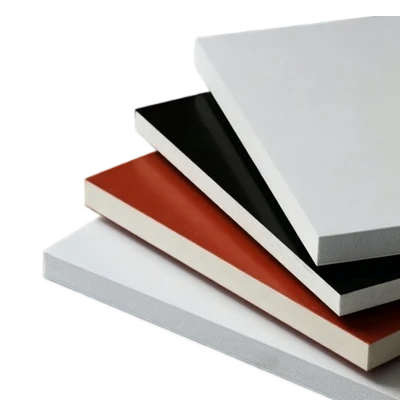
First up, the one that’s like the blank canvas—matte smooth finish. This is the most popular general-purpose finish, and it’s exactly what it sounds like: no shine, totally flat, even across the whole board. A lot of people call it “standard smooth” too. Why do we use this? It’s perfect for printing, for starters. If you’re getting vinyl wraps printed, or doing direct-to-board digital printing, matte smooth is ideal because there’s no glare messing with the print quality. We use this for most residential signs, indoor display boards, craft projects, even furniture inserts. Wait, but don’t confuse matte smooth with “raw foam finish.” Raw foam is the stuff before we add that surface layer—you’d never use that, it’s porous, gets dirty easy, and scratches if you look at it. Matte smooth is smooth, non-porous, and easy to wipe down. I test this stuff all the time—spill coffee on it, wipe it with a paper towel, no stain. It’s also the least expensive option, which is why it’s our top-seller. But here’s the catch: it’s not scratch-proof. If you drag a metal tool across it hard, it’ll leave a mark. So if you’re using it for something where it’ll get handled a lot, you might want a different finish.
Next, semi-gloss smooth. This is the middle kid between matte and high-gloss—has a subtle sheen, not too loud, not flat. I love explaining this to people: it’s like the finish on a nice kitchen cabinet, not shiny enough to blind you, but not dull. What’s it good for? A lot of people use this for exterior signs because it reflects a little light, so people can read it better from far away without being blinded by direct sun. We also use it for marine applications sometimes, because it’s a little more resistant to water pooling and UV rays than matte. Wait, but it’s still smooth—no texture here. The main downside is that it shows fingerprints more than matte, so if you’re building something that’ll be handled a lot, you might want to keep that in mind. We recommend this for storefront signs, trade show displays, and boat interior panels.
Then there’s the high-gloss smooth finish. This is the flashy one—think of the glossy photo paper you used for yearbook photos back in high school, way more shine than semi-gloss. This finish is super popular for two things: first, premium signage where you want that “wow” factor—like retail window displays, event backdrops, even vanity mirrors. Second, it’s way more resistant to scratches and stains than matte. I once had a customer use high-gloss PVC board for a bar countertop, and they spilled beer, soda, even ink on it for 6 months, and it still looked new. But here’s the big downside: glare. If you put this outside where the sun hits it directly, you’ll get that annoying reflection that makes it hard to read. We only recommend high-gloss for indoor or shaded outdoor projects, not direct sun. Also, it’s a little pricier, obviously, because the surface layer is processed more to get that high shine.
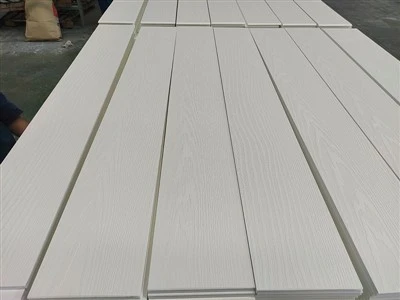
Now, what if you don’t want smooth? Not every project needs a flat, even surface. That’s where textured finishes come in, and they’re way more common than you’d think. The biggest one is the wood grain texture. A lot of people don’t realize that we make PVC foam board that looks like real wood, no splinters, no warping, way cheaper than actual wood. The surface here is a textured, embossed layer that mimics oak, pine, even mahogany. It’s not just a print—we press the texture right into the surface layer, so it feels like wood when you run your hand over it. This is super popular for DIY furniture, wall paneling, café decor, even fake shelves. The best part? It’s water-resistant, so you can use it in bathrooms or kitchens where real wood would warp. Just keep in mind, it’s not smooth, so it’s harder to print directly on. Most people get vinyl wraps applied to wood-grain texture, which works great—you can’t even tell it’s PVC if you do it right.
Another popular textured finish is anti-slip texture. This one’s for industrial or outdoor use—think patio decking, stair treads, dock edges, even gym equipment parts. The surface has a tiny, grippy texture, like sandpaper but not rough enough to hurt your hands. It’s still non-porous, so it doesn’t hold water or dirt, but it gives you traction so you don’t slip when it’s rainy or icy. We have a regular customer who uses this for boat ladders, and he swears by it—says it’s way better than metal, which gets slippery when wet. This finish is way more durable than smooth finishes for high-traffic, high-wear jobs, though it is a little pricier because the textured surface requires extra manufacturing steps.
Wait, there are also specialty finishes, right? Like UV-stabilized finishes, for outdoor use. We make PVC foam board with a UV-resistant surface layer that won’t fade even after 5 years in direct sun. I’ve had customers test this by leaving boards outside in Arizona for a year, and the color was exactly the same as when we delivered it. There’s also fire-retardant finishes, which we use for commercial buildings, event venues, and classroom walls—they meet all the fire code standards, and the surface is still smooth or textured, depending on what you need. And we have even electrostatic-dissipative finishes for electronics manufacturing, so static doesn’t build up on the surface and damage parts—those are a little more niche, but super important for certain industries.
A lot of people ask me, “How do I pick the right surface finish?” That’s the real question, right? It doesn’t matter if it’s the best high-gloss or the grippiest anti-slip—if it doesn’t fit your project, it’s useless. Here’s what I tell customers: first, ask yourself where it’s going to be used. Indoor or outdoor? If it’s outdoor, you need UV-stabilized, not matte standard. Second, what’s it going to do? Is it for a sign that needs to be seen from far away? Semi-gloss or high-gloss is better than matte. Is it for a wall panel that will get touched a lot? Avoid smooth matte if fingerprints are a turn-off, or go for textured wood grain. Is it for a dock or stair tread? Anti-slip is non-negotiable, no exceptions. Third, what’s your budget? Smooth matte is our lowest-cost option, high-gloss and textured anti-slip are the priciest, so plan accordingly.
I also want to bust a common myth here: “PVC foam board’s surface is all the same, right? It’s just plastic.” No way. I’ve tested cheap boards from other suppliers, and their surface layers are super thin—like, you can scratch them with your fingernail, and they fade after a month outside. Our boards have a surface layer that’s at least 20% of the total thickness of the board, so it’s thick enough to hold up to use, printing, and weather. That’s why we can offer a 5-year warranty on most of our finishes—because we know they won’t peel, scratch, or fade easily.
Last year, we had a customer come to us who had bought PVC boards from a big box store for a trade show display. Their matte board’s surface was so porous that the ink from their print ran, and the edges chipped after a week of setting up and taking down the display. We sold them our semi-gloss smooth board, and their display still looked brand new 6 months later when they used it for another show. That’s the difference a good surface finish makes—no one notices it when it’s right, but everyone notices when it’s wrong.
If you’re still confused about which surface finish you need, hit us up. I don’t do pushy sales stuff—I’d rather you get the right board for your project than waste money on something that’s not going to work. Whether you’re a sign maker, a DIYer, a boat builder, or a café owner, we can help you pick the perfect surface finish for what you’re doing. No confusing jargon, no hidden fees, just straightforward advice from someone who’s been in this for years.
So, next time you’re shopping for PVC foam board, don’t just look at the thickness or the price tag. Spend 2 minutes asking about the surface finish—it’s the part that’s going to show off, hold up, and make your project look good for years. If you need more info, or want to chat about your specific needs, reach out anytime.
PVC Advertising Board References:
- Vinyl Institute. (2022). Properties and Applications of Rigid PVC Foam.
- American Society for Testing and Materials (ASTM). (2021). Standard Test Methods for Surface Characteristics of Rigid PVC Boards.
- Polypropylene & Vinyl Fabricators Association. (2023). Surface Finish Performance in Exterior PVC Building Materials.
- International Code Council (ICC). (2022). Fire-Resistant Surface Requirements for Interior Building Components.
Jameson Performance Plastics Co., Ltd.
With abundant experience, we are one of the most professional PVC foam board manufacturers in China. We warmly welcome you to wholesale customized PVC foam board at competitive price from our factory. If you have any enquiry about free sample, please feel free to email us.
Address: No.97 Liuquan Road, Zibo city, Shandong, China.
E-mail: info@jamesonplastics.com
WebSite: https://www.jamesonplastics.com/
