What are the installation requirements for a turning milling machine frame?
As a seasoned supplier of turning milling machine frames, I’ve witnessed firsthand the pivotal role that proper installation plays in the performance and longevity of these sophisticated pieces of equipment. In this blog, I’ll delve into the essential installation requirements for a turning milling machine frame, sharing insights based on my industry experience and in – depth knowledge. Turning Milling Machine Frame
Site Preparation
The first step in installing a turning milling machine frame is to prepare the installation site meticulously. The floor where the machine will be placed must be capable of bearing the weight of the machine. A well – distributed weight on the floor prevents uneven settlement, which can lead to misalignment of the machine components. For larger and heavier turning milling machines, the floor may require special reinforcement.
The surface of the floor should be flat and level. A precision – leveled floor ensures that the machine frame is stable during operation. Even a slight incline or unevenness can cause vibrations, which in turn affect the machining accuracy. Laser levelers can be used to measure and correct the flatness of the floor, with a tolerance typically within a few thousandths of an inch.
The installation site should also have adequate space around the machine. There must be enough room for operators to access all parts of the machine for maintenance, loading, and unloading of workpieces. A general rule of thumb is to leave at least a couple of feet of clearance on all sides of the machine. This space also helps with heat dissipation, as the turning milling machine generates a significant amount of heat during operation.
Environmental Considerations
Controlled environmental conditions are crucial for the successful installation of a turning milling machine frame. Temperature variations can cause the machine’s components to expand or contract, leading to dimensional changes that affect machining accuracy. Ideally, the installation area should have a consistent temperature range, usually between 68 – 72°F (20 – 22°C).
Humidity is another factor to consider. High humidity can cause corrosion of the machine’s metal parts, while extremely low humidity can lead to static electricity buildup, which may damage sensitive electronic components. A relative humidity range of 40 – 60% is recommended for optimal operation.
The installation site should be free from excessive dust, dirt, and debris. Fine dust particles can enter the machine’s bearings, guides, and spindle, causing premature wear and reducing the machine’s performance. Installing air filtration systems and keeping the area clean can significantly extend the machine’s lifespan.
Foundation Mounting
Secure foundation mounting is essential to ensure the stability and precision of the turning milling machine frame. The frame should be properly bolted to the floor. Anchor bolts are commonly used for this purpose. The size and type of anchor bolts depend on the weight and specifications of the machine.
When tightening the anchor bolts, it’s important to follow a specific torque sequence. This ensures that the frame is evenly tightened and prevents distortion. Over – tightening or uneven tightening can lead to stress concentration in the frame, which may cause cracking or misalignment over time.
Some turning milling machine frames may require additional support structures, such as vibration – isolation pads. These pads help absorb vibrations generated during operation, reducing the impact on the surrounding environment and improving machining accuracy. Vibration – isolation pads are made of materials like rubber or cork, which can effectively dampen vibrations.
Electrical Installation
Proper electrical installation is a critical aspect of setting up a turning milling machine frame. The machine requires a stable power supply. The electrical voltage and frequency must match the machine’s specifications. Most industrial turning milling machines operate on three – phase power systems, and any deviation from the specified power parameters can cause the machine to malfunction or even damage its components.
Electrical wiring should be installed in a way that minimizes the risk of electrical shocks and short circuits. All wiring should be properly insulated and routed through conduit for protection. Grounding is also essential to prevent electrical hazards. The machine’s frame should be securely grounded to divert any stray electrical currents safely to the ground.
Electrical control panels should be installed in a location that is easily accessible for operators. They should be protected from dust, moisture, and physical damage.定期检查电气连接,确保没有松动或老化的电线,可以防止电气故障和停机时间。
Machine Assembly
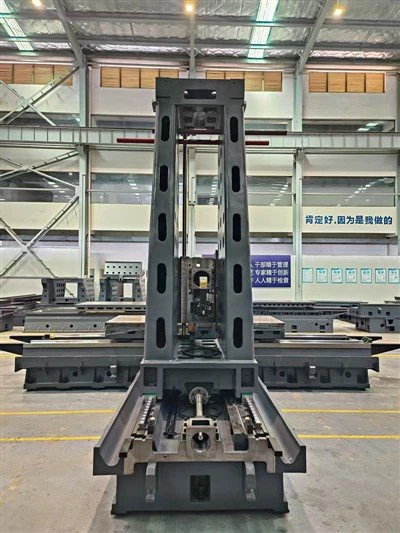
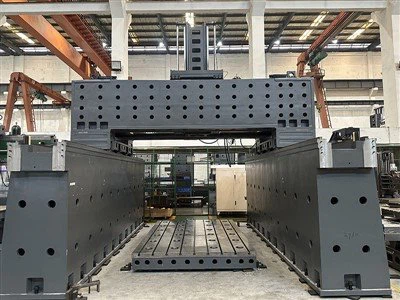
Once the site preparation, foundation mounting, and electrical installation are completed, the machine assembly process begins. The turning milling machine frame consists of multiple components, including the base, column, saddle, and spindle. These components must be carefully assembled according to the manufacturer’s instructions.
When assembling the components, it’s important to ensure that all mating surfaces are clean and free from debris. Proper alignment of the components is crucial for the machine’s performance. Precision measuring tools, such as dial indicators and laser alignment systems, can be used to check and adjust the alignment of the components.
The assembly process also involves the installation of various accessories and attachments, such as tool changers, coolant systems, and chip conveyors. These accessories should be installed correctly and integrated with the main machine system to ensure smooth operation.
Calibration and Testing
After the machine is assembled, calibration and testing are necessary to ensure that it meets the required performance standards. The first step in calibration is to check the geometric accuracy of the machine. This includes measuring the straightness, perpendicularity, and parallelism of the machine’s axes. Any deviations from the specified tolerances should be corrected through mechanical adjustment or software compensation.
The spindle’s speed and accuracy also need to be calibrated. A tachometer can be used to measure the spindle speed, and the accuracy can be adjusted by modifying the spindle control parameters. The tool – setting system should be calibrated to ensure that the cutting tools are positioned accurately.
Once the calibration is complete, the machine should undergo a series of performance tests. These tests include running the machine at different speeds and loads, machining test workpieces, and checking the surface finish and dimensional accuracy of the workpieces. Any issues identified during the testing phase should be resolved before the machine is put into full – scale production.
Operator Training
Finally, proper operator training is an important part of the installation process. Operators should be trained on the safe operation of the turning milling machine, including how to start and stop the machine, how to load and unload workpieces, and how to use the control panel. They should also be trained on basic maintenance procedures, such as cleaning, lubrication, and inspection.
Training should be provided by experienced technicians who are familiar with the machine’s operation and maintenance. Hands – on training is particularly effective, as it allows operators to gain practical experience and confidence in using the machine.
In conclusion, the installation of a turning milling machine frame requires careful planning, attention to detail, and adherence to strict requirements. By following these installation requirements, you can ensure that your turning milling machine operates at its best, delivering high – quality machining results and a long service life.
Drilling and tapping center If you’re in the market for a turning milling machine frame and want to discuss your specific needs, I’d be more than happy to have a conversation with you. Contact us to start a procurement discussion and find out how our products can fit seamlessly into your manufacturing operations.
References
- "Manufacturing Technology: Materials, Processes, and Equipment" by Serope Kalpakjian and Steven Schmid
- "Machining and Machine Tools" by G. Boothroyd, W. A. Knight, and J. P. Roth
Smartech Machinery & Equipment Co., Ltd.
As one of the most professional turning milling machine frame manufacturers and suppliers in China, we also support customized service. Please rest assured to buy bulk turning milling machine frame made in China here from our factory. Contact us for more details.
Address: Room 2832, Changping Commercial Mansion, Shihua Road, Futian Free Trade Zone, Shenzhen, China
E-mail: smartech@smartechcnc.cn
WebSite: https://www.smartech-cnc.com/
