Hey there! As a flanges supplier, I often get asked about the difference between forged flanges and cast flanges. I’m here to break it down for you in a way that’s easy to understand. Flanges
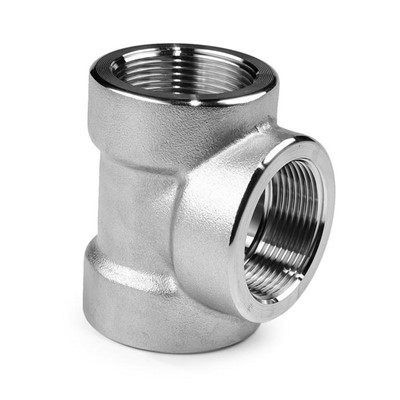
Let’s start with forged flanges. Forging is a process where metal is heated and then shaped by applying pressure. This can be done using a hammer or a press. The result is a flange that’s super strong and durable.
One of the big advantages of forged flanges is their strength. The forging process aligns the grain structure of the metal, which makes it better able to handle high pressure and stress. This is especially important in applications where safety is a top concern, like in oil and gas pipelines or power plants.
Another plus is the quality control. When we forge a flange, we have a lot of control over the process. We can monitor the temperature, the pressure, and the shape of the flange at every step. This means we can ensure that each flange meets our high standards.
But forging isn’t without its drawbacks. It’s a more expensive process than casting. The equipment needed for forging is costly, and it takes more time and labor to produce each flange. So, if you’re on a tight budget, forged flanges might not be the best option.
Now, let’s talk about cast flanges. Casting is a process where molten metal is poured into a mold and then allowed to cool and solidify. This is a much simpler and cheaper process than forging.
One of the main benefits of cast flanges is their cost. Since the casting process is less labor – intensive and doesn’t require as much expensive equipment, cast flanges are generally more affordable. This makes them a great choice for projects with a limited budget.
Cast flanges also offer more design flexibility. We can create complex shapes and sizes with casting that would be difficult or impossible to achieve with forging. This is useful if you have a unique application that requires a custom – designed flange.
However, cast flanges have some limitations. They’re not as strong as forged flanges. The casting process can sometimes result in porosity or other defects in the metal, which can weaken the flange. So, they’re not ideal for applications where high pressure and stress are involved.
In terms of appearance, forged flanges usually have a smoother finish. The forging process gives them a more refined look, while cast flanges may have a rougher surface due to the mold.
When it comes to choosing between forged and cast flanges, it really depends on your specific needs. If you need a flange that can handle high pressure and stress, and you’re willing to pay a bit more, forged flanges are the way to go. On the other hand, if cost is a major factor and you don’t need the highest level of strength, cast flanges could be a good option.
Let’s take a look at some real – world examples. In the oil and gas industry, forged flanges are often used in critical applications like offshore platforms and high – pressure pipelines. Their strength and reliability are crucial in these environments. In contrast, cast flanges are commonly used in less demanding applications, such as plumbing systems in buildings or low – pressure industrial processes.
As a flanges supplier, I’ve seen firsthand the different uses of these two types of flanges. We’ve worked with a variety of customers, from small businesses to large corporations, and each has different requirements.
We’ve had customers who were initially hesitant about the cost of forged flanges but realized that the long – term benefits were worth it. For example, a manufacturing company was using cast flanges in a high – pressure system, and they kept experiencing failures. After switching to forged flanges, they saw a significant improvement in the reliability of their equipment and a reduction in maintenance costs.
On the other hand, we’ve also had customers who were on a tight budget and needed a cost – effective solution. For them, cast flanges were the perfect choice. They were able to get the flanges they needed without breaking the bank.
We always try to provide our customers with the best advice based on their specific situations. We take the time to understand their needs, the environment where the flanges will be used, and their budget. Then we can recommend the most suitable type of flange.
If you’re in the market for flanges, whether it’s for a new project or to replace existing ones, I’d love to help. We have a wide range of forged and cast flanges in different sizes, materials, and specifications. We can also work with you to create custom – designed flanges if that’s what you need.

Contact us to discuss your flange requirements. We’re here to make sure you get the right flanges for your project. Whether you’re looking for the strength of forged flanges or the affordability of cast flanges, we’ve got you covered.
BS Flanges References:
- "Flange Design Handbook" by G. H. Millheim
- "Industrial Piping Handbook" by W. C. Turner
Hebei Haihao Group Huadian High Pressure Pipe Fittings Co., Ltd.
As one of the most professional flanges manufacturers and suppliers in China, we are able to meet the needs of the majority of our customers. Please rest assured to wholesale high quality flanges made in China here from our factory. For price consultation, contact us.
Address: Donglin Industrial Zone, Mengcun County, Cangzhou City, Hebei Province, China
E-mail: haihaohuadian@outlook.com
WebSite: https://www.hhfittings.com/
