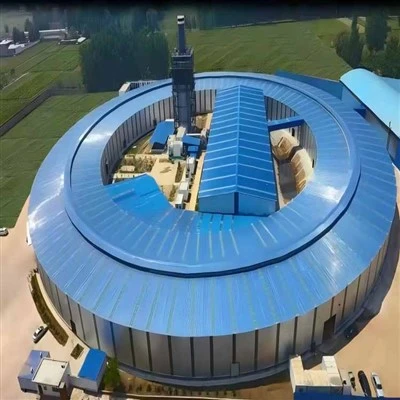
When it comes to the industrial sector, especially in industries like ceramics, refractory materials, and certain chemical products, the kiln is an irreplaceable piece of equipment. Among various types of kilns, the Large Cross Section Modular Energy Saving Tunnel Kiln has been gaining significant attention in recent years. As a supplier of such kilns, I’ve had numerous inquiries about its cost. In this blog, I aim to break down the factors that contribute to the cost of a Large Cross Section Modular Energy Saving Tunnel Kiln to give you a clearer understanding. Large Cross Section Modular Energy Saving Tunnel Kiln
1. Raw Material Costs
The primary material used in constructing a Large Cross Section Modular Energy Saving Tunnel Kiln is high – quality refractory materials. These materials need to withstand extremely high temperatures, thermal shock, and chemical corrosion. Different types of refractory bricks, insulating materials, and linings have different price ranges. For example, high – alumina refractory bricks are often more expensive than ordinary fireclay bricks due to their superior heat – resistance and mechanical strength.
Moreover, the steel structure used for the framework of the kiln also takes up a considerable portion of the raw material cost. High – grade steel with good corrosion and heat resistance properties is essential to ensure the long – term structural stability of the kiln. The cost of steel fluctuates with the market, and during periods of high steel demand, the material cost for the kiln’s framework can increase significantly.
2. Design and Engineering Costs
Each Large Cross Section Modular Energy Saving Tunnel Kiln is designed according to the specific requirements of the client. The design process involves calculating the heat transfer, gas flow, and combustion efficiency within the kiln. Advanced software is often used to simulate these processes to ensure optimal performance.
Firstly, we need to understand the client’s production capacity requirements. A kiln designed for large – scale continuous production will have a different cross – section size, length, and heating system compared to a kiln for small – batch production. Secondly, the type of products to be fired in the kiln also affects the design. For example, different ceramic products may require different temperature profiles and firing atmospheres.
All these design and engineering efforts require a team of experienced engineers and technicians, and their salaries and the cost of using professional software are included in the overall cost of the kiln.
3. Manufacturing and Assembly Costs
Once the design is finalized, the manufacturing process begins. The production of refractory components involves complex processes such as mixing raw materials, molding, drying, and firing. Precision is required to ensure that each component meets the design specifications.
The assembly of the kiln is also a labor – intensive and technically demanding process. Workers need to install the refractory linings, steel framework, heating elements, ventilation systems, and control devices in a precise manner. The cost of labor, as well as the cost of equipment used in the manufacturing and assembly process, such as cranes, welding machines, and cutting tools, all contribute to the overall cost of the kiln.
4. Energy – Saving Technology Costs
As the name suggests, the Large Cross Section Modular Energy Saving Tunnel Kiln is designed with energy – saving features. These features may include advanced insulation materials to reduce heat loss, heat recovery systems to reuse waste heat, and intelligent control systems to optimize the firing process.
The development and implementation of these energy – saving technologies come at a cost. For example, the installation of a heat recovery system requires additional heat exchangers, pipes, and control valves. The intelligent control system needs sensors, controllers, and software for real – time monitoring and adjustment of the kiln’s parameters.
5. Transportation and Installation Costs
Transporting a Large Cross Section Modular Energy Saving Tunnel Kiln to the client’s site is not an easy task. Due to its large size and heavy weight, special transportation methods, such as heavy – duty trucks or even specialized shipping for overseas clients, may be required. This incurs significant transportation costs, including fuel, vehicle rental or shipping fees, and transportation insurance.
Once the kiln components arrive at the site, professional installation teams are needed to assemble and commission the kiln. The installation process may take several weeks or even months, depending on the complexity of the kiln. The installation cost includes labor, tools, and any additional materials required for the installation.
6. After – Sales Service Costs
A reliable after – sales service is crucial for the long – term operation of the kiln. As a supplier, we offer after – sales services such as maintenance, repair, and technical support. The cost of training the client’s operators on how to use and maintain the kiln is also included in the overall package.
We need to keep a stock of spare parts to ensure quick replacement in case of breakdowns. Additionally, our technical support team spends time troubleshooting problems and providing solutions to clients, which also adds to the cost.
Overall Cost Estimation
It is difficult to give an exact figure for the cost of a Large Cross Section Modular Energy Saving Tunnel Kiln as it varies greatly depending on the factors mentioned above. A small – scale kiln with basic energy – saving features may cost around several hundred thousand dollars. However, a large – scale, high – end kiln with advanced technologies and high – performance materials can cost millions of dollars.
When considering the cost, it is important to look at the long – term benefits. The energy – saving features of our Large Cross Section Modular Energy Saving Tunnel Kiln can significantly reduce energy consumption over time, leading to cost savings on energy bills. The high – quality construction ensures a long service life, reducing the need for frequent replacements.
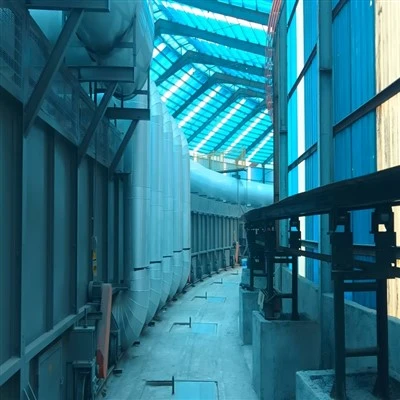
If you are in the market for a Large Cross Section Modular Energy Saving Tunnel Kiln, we understand that cost is a major concern. Our team of experts is ready to work with you to customize a kiln that meets your specific needs and budget. We can provide a detailed cost analysis and offer competitive pricing based on your requirements.
Brick Tunnel Kiln If you’re interested in purchasing a Large Cross Section Modular Energy Saving Tunnel Kiln or want to have a detailed discussion about its cost and other aspects, please feel free to contact us. We are more than willing to provide you with professional advice and assistance to help you make the right decision for your business.
References
- Rao, Z.G., & Liu, Y.C. (2018). Development and application of energy – saving tunnel kiln technology. Journal of Thermal Science and Technology.
- Wang, L., & Zhang, H. (2019). Analysis of the cost – effectiveness of large – scale industrial kilns. Industrial Engineering and Management.
- International Refractory Manufacturers Association. (2020). Handbook of Refractory Materials for High – Temperature Kilns.
Henan Yaxin Kiln Co., Ltd.
Henan Yaxin Kiln Co., Ltd. is one of the most professional large cross section modular energy saving tunnel kiln manufacturers and suppliers in China. With abundant experience, we warmly welcome you to buy high quality large cross section modular energy saving tunnel kiln with the latest design from our factory. Good service and punctual delivery are available.
Address: Jixian Industrial Zone, Shangqiu City, Henan Province
E-mail: 1543563178@qq.com
WebSite: https://www.hnyxkiln.com/
